
The use of technology to improve teacher professional development has revolutionized the way educators learn and grow. Gone are the days of static, one-size-fits-all workshops and lectures. Today, technology empowers teachers with personalized learning paths, interactive platforms, and a wealth of resources that cater to individual needs and learning styles.
This shift towards technology-driven professional development has opened doors to greater accessibility, scalability, and collaboration. Teachers can now access high-quality training materials anytime, anywhere, and connect with peers and experts globally. This has fostered a culture of continuous learning and innovation, where educators can stay abreast of the latest research and best practices.
The Evolution of Teacher Professional Development

Teacher professional development has evolved significantly over the years, transitioning from traditional, often static approaches to more dynamic and technology-driven methods. This evolution reflects the changing needs of educators and the increasing influence of technology in education.
Traditional Methods and Their Limitations
Traditional teacher professional development often relied on workshops, conferences, and in-person training sessions. While these methods provided valuable opportunities for learning, they also had several limitations.
- Limited Accessibility:Traditional methods often required teachers to travel to specific locations, making it difficult for those in remote areas or with limited resources to participate.
- Lack of Flexibility:In-person sessions often took place during school hours, making it challenging for teachers to attend. This inflexibility also made it difficult for teachers to apply what they learned to their own classrooms.
- Passive Learning:Traditional methods often focused on passive learning, with teachers listening to lectures or presentations. This approach did not always engage teachers in active learning or encourage them to apply new knowledge and skills in practical settings.
- Limited Scalability:Traditional methods were often difficult to scale, making it challenging to reach large numbers of teachers or provide individualized support.
The Emergence of Technology-Driven Approaches
The rise of technology has revolutionized teacher professional development, offering new and innovative approaches to support educators. Technology-driven approaches have addressed many of the limitations of traditional methods, making professional development more accessible, flexible, and engaging.
- Online Learning Platforms:Online learning platforms have become increasingly popular, providing teachers with access to a wide range of courses, modules, and resources. These platforms offer flexibility, allowing teachers to learn at their own pace and on their own schedules. Examples include platforms like Coursera, edX, and FutureLearn, which offer a wide range of courses specifically designed for teachers.
- Virtual Communities and Networks:Technology has enabled the creation of virtual communities and networks where teachers can connect with peers, share best practices, and collaborate on projects. Platforms like Twitter, Facebook groups, and online forums have fostered a sense of community and provided valuable opportunities for professional learning.
Technology offers powerful tools for enhancing teacher professional development, from online courses and collaborative platforms to virtual simulations and personalized learning resources. However, the integration of technology in education raises ethical considerations, such as ensuring equitable access, protecting student privacy, and mitigating digital divide issues.
The ethical implications of using educational technology in schools are critical to address as we strive to leverage technology to empower teachers and enhance student learning experiences.
- Interactive Simulations and Games:Technology has also enabled the development of interactive simulations and games that provide teachers with opportunities to practice new skills in a safe and engaging environment. These tools can help teachers develop their pedagogical skills, experiment with different teaching strategies, and receive immediate feedback.
- Personalized Learning Paths:Technology allows for personalized learning paths, tailoring professional development to the specific needs and interests of individual teachers. This approach ensures that teachers receive relevant and meaningful training that helps them grow professionally.
Impact of Technology on Accessibility and Scalability
Technology has significantly enhanced the accessibility and scalability of teacher professional development.
“Technology has the potential to democratize access to high-quality professional development, ensuring that all teachers, regardless of their location or background, have the opportunity to grow and develop their skills.”
[Author Name, Year]
- Increased Accessibility:Online platforms and mobile devices have made professional development accessible to teachers in remote areas and those with limited access to traditional training opportunities. Teachers can now access a wealth of resources and learning materials from anywhere with an internet connection.
- Enhanced Scalability:Technology allows for the delivery of professional development to large numbers of teachers simultaneously. Online platforms and virtual communities can reach thousands of educators at once, making it possible to provide training to entire districts or even national teacher populations.
- Cost-Effectiveness:Technology-driven approaches to professional development can be more cost-effective than traditional methods, as they eliminate the need for travel and physical infrastructure. This makes professional development more sustainable and accessible to schools with limited budgets.
Technology-Enabled Platforms and Tools
The advent of technology has significantly transformed teacher professional development, offering a wide array of platforms and tools to enhance learning experiences and facilitate collaboration among educators. These platforms provide access to diverse resources, interactive learning environments, and opportunities for knowledge sharing, empowering teachers to stay abreast of educational advancements and refine their pedagogical practices.
Online Learning Platforms
Online learning platforms have become ubiquitous in teacher professional development, providing a convenient and flexible way for educators to access a vast library of courses, workshops, and webinars. These platforms offer a structured learning experience with pre-recorded lectures, interactive exercises, and assessments.
- Coursera:Coursera is a well-known platform that hosts courses from top universities and institutions worldwide. Teachers can access courses on various topics, including educational technology, curriculum development, and teaching methodologies.
- EdX:Similar to Coursera, EdX offers a wide range of online courses, including specialized programs for educators. These programs provide in-depth training on specific educational topics and often include interactive elements and community forums.
- FutureLearn:FutureLearn is a platform that focuses on providing high-quality online courses from leading universities and organizations. Teachers can access courses on various subjects, including education, technology, and leadership.
Virtual Communities
Virtual communities play a crucial role in fostering collaboration and knowledge sharing among educators. These platforms provide a space for teachers to connect, discuss best practices, share resources, and seek support from peers.
- Teacher-to-Teacher Networks:Platforms like TeacherVision and WeAreTeachers provide online communities where educators can connect with their peers, share teaching tips, and access resources. These platforms offer forums, discussion boards, and social media groups dedicated to specific educational topics.
- Social Media Platforms:Social media platforms like Twitter and Facebook have become valuable tools for teacher professional development. Educators can follow educational leaders, participate in online discussions, and access resources shared by other teachers.
- Professional Learning Networks (PLNs):PLNs are online communities specifically designed for educators to connect, collaborate, and share knowledge. Platforms like LinkedIn and Edmodo offer dedicated groups and networks for educators to engage in professional discussions and share resources.
Professional Development Apps
Mobile apps have revolutionized teacher professional development by providing on-the-go access to resources, tools, and learning opportunities. These apps offer a convenient and personalized learning experience, enabling teachers to engage in professional development at their own pace and in their preferred format.
- Khan Academy:Khan Academy offers a comprehensive collection of educational resources, including videos, exercises, and articles, covering a wide range of subjects. The app allows teachers to access these resources and use them to supplement their teaching or provide personalized learning opportunities for their students.
- Google Classroom:Google Classroom is a popular platform for managing classroom activities and assignments. The app allows teachers to create and assign assignments, track student progress, and provide feedback. It also offers tools for collaboration and communication, facilitating professional development within school communities.
- Quizlet:Quizlet is a popular app for creating and using flashcards, quizzes, and other study materials. Teachers can use Quizlet to create interactive learning activities for their students or access pre-made study materials on various topics.
Personalized Learning Experiences

The traditional one-size-fits-all approach to teacher professional development is no longer effective. Educators have diverse needs, strengths, and goals, and a personalized approach is crucial for maximizing the impact of professional learning. Technology empowers us to tailor professional development pathways to meet individual needs, fostering a more effective and engaging learning experience for teachers.
Personalized Pathways and Goal Setting
Technology can facilitate personalized professional development by providing teachers with access to a wide range of resources and learning opportunities tailored to their specific needs and goals. This includes:
- Personalized Learning Platforms:Platforms like Google Classroom, Moodle, or Canvas can be used to create customized learning paths for teachers. These platforms allow educators to select modules, courses, or activities based on their individual needs, interests, and areas for improvement. For example, a teacher struggling with integrating technology in the classroom can choose modules focused on specific tools and strategies, while a teacher interested in developing their leadership skills can select courses related to classroom management and collaboration.
- Adaptive Learning Systems:Adaptive learning systems use algorithms to analyze a teacher’s performance and provide personalized recommendations for learning content and activities. These systems can adjust the difficulty level of tasks, suggest relevant resources, and offer additional support based on the teacher’s progress and areas of weakness.
For instance, if a teacher consistently struggles with a particular concept, the adaptive system can offer more practice exercises, additional explanations, or alternative learning materials.
- Personalized Goal Setting:Technology can facilitate the process of setting and tracking professional development goals. Teachers can use online tools or apps to set specific, measurable, achievable, relevant, and time-bound (SMART) goals, track their progress, and receive feedback on their achievements. This personalized approach ensures that professional development activities are aligned with individual goals and contribute to overall professional growth.
Data Analytics for Personalized Feedback
Data analytics plays a crucial role in personalizing teacher professional development by providing insights into individual learning progress and areas for improvement. This data can be used to:
- Track Progress and Identify Gaps:Learning management systems can track teachers’ engagement with professional development materials, their performance on assessments, and their completion of activities. This data provides valuable insights into individual progress, identifying areas where teachers may need additional support or guidance. For example, if a teacher consistently struggles with a particular module or assessment, the data can alert administrators or mentors to provide targeted assistance.
- Provide Personalized Feedback:Data analytics can be used to generate personalized feedback for teachers, highlighting areas of strength and areas for improvement. This feedback can be delivered through automated reports, personalized dashboards, or interactive feedback tools. By providing specific and actionable feedback, teachers can better understand their progress and focus their efforts on areas that need attention.
- Identify Trends and Patterns:Analyzing data from multiple teachers can identify broader trends and patterns in professional development needs. This information can be used to develop targeted professional development programs, resources, and support systems that address common challenges and areas for improvement across the teaching community.
Artificial Intelligence for Tailored Recommendations
Artificial intelligence (AI) has the potential to revolutionize personalized professional development by providing highly tailored content and recommendations. AI algorithms can:
- Analyze Learning Data:AI systems can analyze vast amounts of data about teacher learning, including their performance on assessments, engagement with resources, and feedback provided by mentors. This data can be used to create detailed profiles of individual learning styles, strengths, and areas for improvement.
- Generate Personalized Recommendations:Based on individual profiles, AI can recommend specific courses, modules, activities, or resources that are most likely to be effective for each teacher. These recommendations can be tailored to individual needs, interests, and goals, ensuring that professional development activities are relevant and engaging.
- Provide Adaptive Support:AI can provide adaptive support throughout the professional development process, adjusting the difficulty level of tasks, providing additional explanations, or offering alternative learning materials based on individual progress and performance. This ensures that teachers receive the right level of support at the right time, maximizing their learning experience.
Enhancing Teaching Practices
Technology can significantly enhance teaching practices by facilitating the integration of new teaching strategies and methodologies, creating engaging and interactive learning experiences for students, and fostering collaboration between teachers and students.
Integration of New Teaching Strategies and Methodologies
Technology can support the integration of new teaching strategies and methodologies by providing teachers with access to a wide range of resources and tools. For example, teachers can use online platforms to access lesson plans, educational videos, and interactive simulations.
These resources can help teachers to implement new teaching approaches, such as flipped learning, project-based learning, and blended learning.
Creating Engaging and Interactive Learning Experiences
Technology can be used to create engaging and interactive learning experiences for students. For example, teachers can use online games, simulations, and virtual reality experiences to make learning more enjoyable and effective. Additionally, teachers can use technology to create personalized learning experiences for students.
This can be achieved through adaptive learning platforms that adjust the difficulty level of lessons based on student performance.
Fostering Collaboration Between Teachers and Students, The use of technology to improve teacher professional development
Technology can facilitate collaboration between teachers and students by providing tools for communication and information sharing. For example, teachers can use online forums, chat rooms, and collaborative document editing tools to facilitate discussions and group projects. Teachers can also use technology to provide students with feedback on their work in real-time.
This can be done through online platforms that allow teachers to comment on student work, provide suggestions, and track student progress.
Building a Culture of Innovation
Technology can be a powerful catalyst for fostering a culture of innovation in education. By providing educators with new tools and resources, technology empowers them to experiment with different teaching methods, personalize learning experiences, and create engaging and interactive learning environments.
This section explores how technology can encourage experimentation and innovation in the classroom, connect teachers with experts and thought leaders in their field, and promote a culture of continuous learning and professional growth among educators.
Encouraging Experimentation and Innovation
Technology can encourage experimentation and innovation in the classroom by providing teachers with new tools and resources to explore. For example, interactive whiteboards, virtual reality simulations, and online learning platforms allow teachers to create engaging and interactive learning experiences that go beyond traditional methods.
- Teachers can use interactive whiteboards to create interactive lessons, games, and activities that engage students in active learning. For instance, teachers can use online platforms like Canva or Prezi to create visually appealing presentations and interactive activities that encourage student participation.
- Virtual reality simulations can immerse students in real-world scenarios, allowing them to experience different cultures, historical events, or scientific concepts firsthand. For example, teachers can use virtual reality applications like Google Expeditions to take students on virtual field trips to historical sites or to explore the human body in 3D.
- Online learning platforms offer a wide range of resources and tools that teachers can use to personalize learning experiences for their students. For example, teachers can use platforms like Khan Academy or Coursera to provide supplemental instruction or to offer personalized learning pathways for students who need additional support or who are ready for more challenging material.
Connecting Teachers with Experts and Thought Leaders
Technology can facilitate connections between teachers and experts and thought leaders in their field, enabling them to access valuable insights and best practices. Online communities, professional development platforms, and social media provide opportunities for teachers to connect with peers, mentors, and experts in their field.
- Online communities like TeacherVision or Edmodo provide forums for teachers to share ideas, ask questions, and collaborate with colleagues from around the world. Teachers can connect with experts in specific subject areas or share their own teaching experiences and best practices.
- Professional development platforms like Teachers Pay Teachers or Udemy offer online courses and workshops led by experienced educators and subject matter experts. Teachers can access a wide range of topics and learn from the best in their field.
- Social media platforms like Twitter or LinkedIn can be used to connect with thought leaders in education, follow industry trends, and engage in discussions about best practices. Teachers can follow experts in their field, participate in online discussions, and learn from the latest research and innovations.
Promoting a Culture of Continuous Learning and Professional Growth
Technology can promote a culture of continuous learning and professional growth among educators by providing access to a wealth of resources, tools, and opportunities for professional development. Online courses, webinars, and podcasts offer teachers the flexibility to learn at their own pace and on their own time.
- Online courses and webinars provide teachers with opportunities to learn new skills, stay up-to-date on the latest research and best practices, and earn professional development credits.
- Podcasts offer teachers a convenient way to learn about current trends and issues in education while commuting or completing other tasks. Podcasts can provide insights from experts, share practical tips and strategies, and inspire educators to continue their professional growth.
Addressing Challenges and Considerations
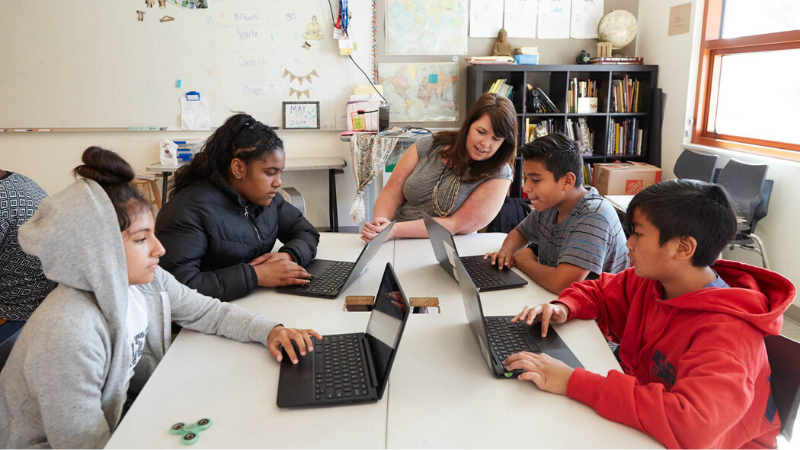
While technology holds immense potential for transforming teacher professional development, it’s crucial to acknowledge and address the challenges and considerations that may arise. These challenges range from ensuring equitable access to technology to navigating ethical concerns associated with data privacy and the use of AI in education.
Digital Divide and Access to Technology
The digital divide, the gap between those with and without access to technology, remains a significant challenge. This disparity can hinder teachers’ ability to participate in technology-driven professional development opportunities.
- Limited access to reliable internet connectivity, particularly in rural areas or underserved communities, can create barriers to participation.
- Inadequate access to devices, such as computers, tablets, or smartphones, can further exacerbate the issue, limiting teachers’ ability to engage in online learning platforms or utilize digital tools.
- Lack of technical skills and familiarity with technology can also pose a challenge, particularly for teachers who have not had adequate training or opportunities to develop their digital literacy.
Strategies for Overcoming Challenges and Ensuring Equitable Access
Addressing the digital divide and ensuring equitable access to technology-driven professional development requires a multifaceted approach:
- Providing access to reliable internet connectivity through initiatives such as public Wi-Fi hotspots, community centers, or partnerships with internet service providers.
- Investing in device procurement programs to ensure that all teachers have access to suitable devices for online learning and digital tool utilization.
- Offering comprehensive digital literacy training programs to equip teachers with the necessary skills to navigate online platforms and utilize digital tools effectively.
- Developing blended learning models that incorporate both online and offline components, allowing teachers to participate in professional development regardless of their access to technology.
- Providing financial assistance or scholarships to help teachers overcome financial barriers to accessing technology and professional development opportunities.
Data Privacy and Ethical Considerations
The use of technology in education raises significant ethical considerations, particularly regarding data privacy.
- Collecting and using student data for professional development purposes requires careful consideration and adherence to privacy regulations.
- It is essential to ensure that student data is collected, stored, and used ethically and transparently, with appropriate safeguards in place to protect their privacy.
- Teachers and administrators should be educated about data privacy regulations and best practices for handling student data in technology-driven professional development settings.
- The use of AI in education, such as personalized learning platforms, raises additional ethical concerns regarding bias, transparency, and accountability.
- It is crucial to develop ethical guidelines and frameworks for the responsible use of AI in education, ensuring that it promotes equity, fairness, and student well-being.
Future Trends and Innovations
The landscape of teacher professional development is continuously evolving, driven by technological advancements that are reshaping the way educators learn and grow. The future holds exciting possibilities for leveraging technology to create more personalized, engaging, and impactful professional development experiences.
Emerging Technologies and Their Impact
Emerging technologies are poised to revolutionize teacher professional development, offering innovative ways to enhance learning and support educators in their professional growth.
- Virtual Reality (VR): VR technology has the potential to create immersive and interactive learning environments for teachers. VR simulations can provide realistic scenarios for teachers to practice different teaching strategies, manage classroom challenges, and develop their skills in a safe and controlled environment.
For example, a VR simulation could allow teachers to experience a classroom with diverse learners, practice differentiated instruction, and receive immediate feedback on their teaching strategies.
- Augmented Reality (AR): AR overlays digital information onto the real world, offering teachers new ways to engage learners and enhance their understanding of complex concepts. AR applications can be used to create interactive learning experiences, provide real-time feedback, and support teachers in their professional development.
For instance, an AR app could allow teachers to visualize anatomical structures in 3D, or to explore historical sites virtually, enriching their understanding of the subject matter.
- Blockchain: Blockchain technology offers secure and transparent methods for storing and managing data. This can be applied to teacher professional development by creating secure platforms for storing and sharing professional development records, credentials, and learning outcomes. This can streamline the process of tracking professional growth and ensure the integrity of teacher training programs.
Closure: The Use Of Technology To Improve Teacher Professional Development
As technology continues to evolve, so too will its impact on teacher professional development. The future holds exciting possibilities, with emerging technologies like virtual reality and artificial intelligence poised to transform the way educators learn and teach. By embracing these advancements, we can create a future where all teachers have access to high-quality, engaging, and personalized professional development opportunities that empower them to become the best educators they can be.
FAQ Compilation
What are some examples of technology platforms used for teacher professional development?
Popular platforms include online learning platforms like Coursera and edX, virtual communities like Twitter and Facebook groups, and professional development apps like Canva and Quizizz.
How can technology personalize teacher professional development?
Technology allows for personalized learning pathways by tracking teacher progress, providing tailored feedback, and recommending relevant resources based on individual needs and goals.
What are some ethical considerations related to the use of technology in teacher professional development?
Ethical considerations include data privacy, equitable access to technology, and ensuring that technology is used to enhance, not replace, human interaction and collaboration.