
The relationship between art and mental health is a profound and multifaceted one. Art, in all its forms, serves as a powerful medium for self-expression, emotional release, and therapeutic healing. Whether it’s the vibrant strokes of a painter’s brush, the melodic notes of a musician’s instrument, the evocative words of a writer, or the graceful movements of a dancer, art offers a unique lens through which individuals can explore, process, and ultimately, manage their mental well-being.
From the ancient practice of using art for healing to the contemporary field of art therapy, the therapeutic potential of creative expression has been recognized for centuries. Art provides a safe and non-judgmental space for individuals to delve into their emotions, confront challenges, and cultivate resilience.
It allows them to externalize internal experiences, communicate unspoken thoughts and feelings, and ultimately, gain a deeper understanding of themselves.
Art as a Form of Expression and Release
Art has long been recognized as a powerful tool for self-expression and emotional processing. It allows individuals to explore and communicate their inner world in ways that words often cannot. This section will delve into how different art forms can serve as outlets for emotional expression, provide examples of artists who have used their work to process mental health challenges, and share personal anecdotes about the therapeutic benefits of art creation.
Art Forms as Emotional Outlets
Different art forms offer unique avenues for expressing emotions. For example, painting can be a cathartic experience, allowing individuals to translate their feelings into colors and textures. Music, with its inherent emotional power, can evoke a wide range of feelings and provide a space for release.
Writing, particularly journaling, allows for introspection and the processing of complex thoughts and emotions. Dance, with its physicality and expressive movements, can be a powerful way to channel emotions and release tension.
Artists and Mental Health, The relationship between art and mental health
Many artists have used their work to explore and process mental health challenges. Vincent van Gogh, known for his vibrant and expressive paintings, struggled with mental illness throughout his life. His art serves as a window into his inner turmoil, reflecting his experiences with depression and anxiety.
Frida Kahlo, a Mexican painter, used her art to grapple with physical pain and emotional distress after a severe accident. Her self-portraits often depict her struggles with identity, pain, and mortality.
Personal Anecdotes and Therapeutic Benefits
Art creation can be a therapeutic process, offering individuals a sense of control, self-expression, and release. For example, a person experiencing anxiety may find solace in painting calming landscapes or engaging in repetitive tasks like knitting. The act of creating something beautiful can provide a sense of accomplishment and reduce feelings of overwhelm.
Similarly, writing in a journal can help individuals process their thoughts and emotions, gaining clarity and perspective on their experiences.
Art Therapy and its Benefits
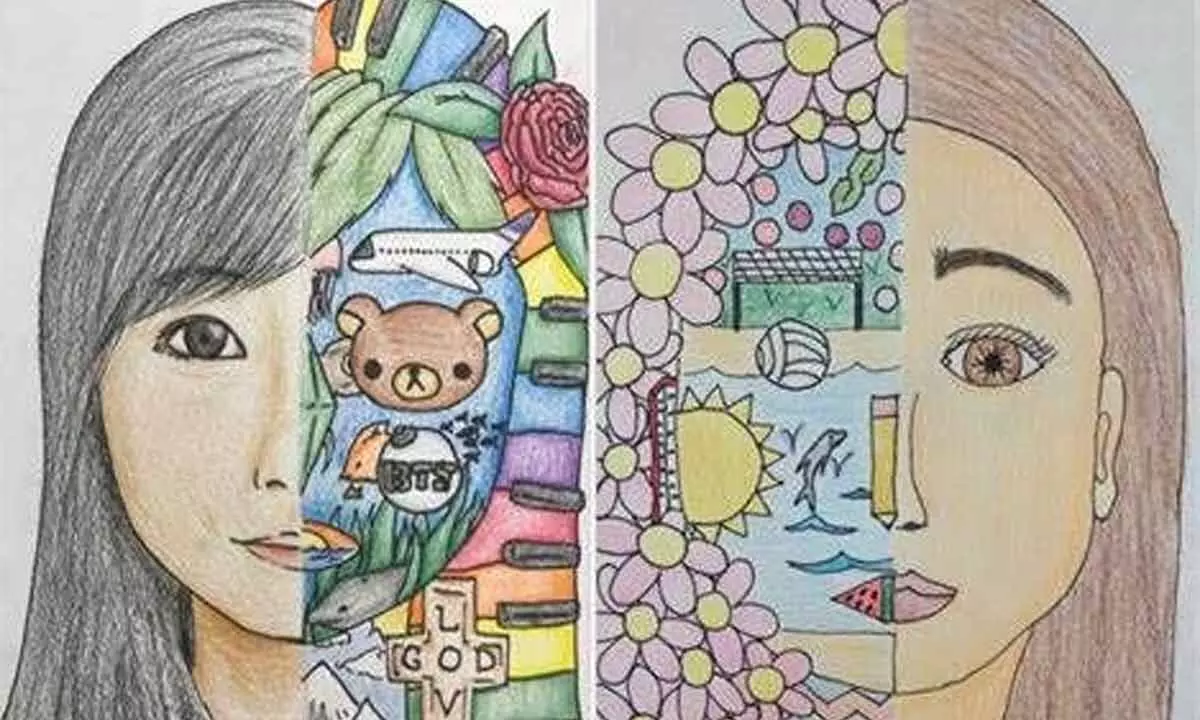
Art therapy is a form of psychotherapy that uses the creative process of making art to improve mental and emotional health. It is based on the idea that creative expression can be a powerful tool for self-discovery, emotional regulation, and communication.
Art therapy is a valuable tool for individuals struggling with a wide range of mental health conditions, including anxiety, depression, trauma, and addiction. It can help individuals to:
Art Therapy Techniques and Applications
Art therapy techniques encompass a diverse range of creative modalities. Here is a table that compares various art therapy techniques and their potential applications for specific mental health concerns:
| Art Therapy Technique | Potential Applications |
|---|---|
| Drawing | Anxiety, depression, trauma, PTSD, grief, and communication difficulties. |
| Painting | Mood regulation, self-expression, emotional processing, and stress reduction. |
| Sculpting | Body image, self-esteem, and emotional release. |
| Collage | Trauma processing, self-exploration, and identity development. |
| Music Therapy | Anxiety, depression, dementia, and autism spectrum disorder. |
| Dance Therapy | Body awareness, emotional expression, and social interaction. |
| Drama Therapy | Social skills, communication, and emotional regulation. |
The Impact of Art on Mental Well-being: The Relationship Between Art And Mental Health
Art, in its diverse forms, has a profound impact on our mental well-being. It transcends mere entertainment, offering a powerful avenue for emotional expression, cognitive stimulation, and overall mental health enhancement. Art can influence mood, cognition, and overall mental well-being in various ways.
Engaging with art can evoke a range of emotions, from joy and serenity to sadness and contemplation. It can provide a safe space for processing difficult emotions and fostering emotional regulation. Art can also stimulate creativity, problem-solving skills, and cognitive flexibility.
Furthermore, art can promote relaxation, reduce stress, and enhance feelings of well-being.
The Influence of Art on Mood and Emotional Regulation
Art has a remarkable ability to evoke a wide spectrum of emotions, making it a powerful tool for mood regulation. The colors, shapes, and themes within artworks can trigger specific emotional responses. For instance, vibrant colors and abstract patterns can uplift mood, while melancholic tones and somber imagery can evoke feelings of sadness or introspection.
Art can serve as a cathartic outlet for processing and expressing emotions, especially those that are difficult to articulate verbally. Creating art, whether through painting, drawing, sculpting, or music, allows individuals to externalize their inner experiences, providing a sense of release and emotional regulation.
The Impact of Art on Cognition and Creativity
Art engagement stimulates cognitive processes, enhancing creativity, problem-solving skills, and cognitive flexibility. Exposure to art, particularly abstract art, challenges conventional thinking patterns, promoting divergent thinking and encouraging new perspectives. Art can foster a sense of curiosity and exploration, encouraging individuals to question assumptions and seek new interpretations.
This can lead to improved problem-solving abilities, as individuals become more adept at identifying patterns, generating ideas, and exploring alternative solutions. Art can also enhance memory and attention, as individuals actively engage with the visual elements, themes, and narratives within artworks.
Research Findings on the Positive Effects of Art Engagement
Numerous studies have demonstrated the positive effects of art engagement on mental health.
- A study published in the journal “Arts in Psychotherapy” found that art therapy was effective in reducing anxiety and depression symptoms in individuals with mental health conditions.
- Research published in the “Journal of Music Therapy” indicated that music therapy improved mood, reduced stress, and enhanced quality of life in individuals with chronic pain.
- A study in the “British Journal of Psychiatry” demonstrated that participation in creative arts activities, such as painting and drawing, led to significant reductions in stress and anxiety levels in individuals experiencing burnout.
Art and Mental Health Awareness

Art has the power to bridge the gap between individuals and foster understanding, particularly when it comes to mental health. It offers a unique platform for promoting awareness, reducing stigma, and fostering empathy for those struggling with mental health challenges.
Art as a Catalyst for Open Dialogue
Art can spark conversations about mental health in a way that traditional methods often struggle to achieve. Through visual art, music, literature, and performance, artists can express their own experiences, emotions, and struggles with mental health, inviting viewers, listeners, and readers to connect with their own feelings and experiences.
This shared experience can break down barriers and create a sense of community, fostering empathy and understanding.
The connection between art and mental health is well-documented, with creative expression often serving as a therapeutic outlet. If you’re looking to explore this connection further, consider exploring some of the best side hustles for entrepreneurs that involve artistic endeavors.
From freelance graphic design to crafting handmade jewelry, these ventures offer a unique blend of income generation and self-expression, potentially leading to improved mental well-being.
Examples of Art Projects Promoting Mental Health Awareness
- The “You Are Not Alone” Campaign:This campaign utilized a series of powerful images and stories from individuals with mental health challenges, highlighting the importance of seeking help and promoting a sense of shared experience. The campaign was successful in reducing stigma and encouraging individuals to reach out for support.
- The “Art for Mental Health” Project:This project brought together artists from diverse backgrounds to create works that explored themes of mental health, including anxiety, depression, and trauma. The project aimed to raise awareness about these issues and provide a platform for open dialogue about mental well-being.
Organizations Utilizing Art for Mental Health Advocacy
- The National Alliance on Mental Illness (NAMI):NAMI uses art to promote mental health awareness through its “Art & Mental Health” program, which features art exhibitions, workshops, and other initiatives aimed at breaking down stigma and fostering understanding.
- The Jed Foundation:The Jed Foundation, dedicated to preventing suicide among young adults, uses art and storytelling to educate and empower young people to address mental health issues. Their “JEDTalks” program features inspiring stories from individuals who have faced mental health challenges, offering hope and guidance to others.
The Role of Art in Healing and Recovery
Art serves as a powerful tool in the healing and recovery process for individuals facing mental health challenges. It offers a unique avenue for self-expression, emotional processing, and personal growth, fostering resilience and a sense of agency.
Incorporating Art into Treatment Plans
Art can be effectively incorporated into treatment plans for mental health recovery. Therapists and mental health professionals utilize various art-based interventions to address diverse needs and promote well-being. These interventions include:
- Art Therapy:A form of therapy that uses creative processes to improve mental and emotional health. It involves creating art, such as painting, drawing, sculpting, or writing, to explore emotions, thoughts, and experiences.
- Creative Expression Groups:Group therapy sessions that involve art-making activities to facilitate communication, build relationships, and promote social skills.
- Art-Based Mindfulness Practices:Techniques that use art to cultivate present-moment awareness, reduce stress, and promote relaxation.
- Art Journaling:Using a journal to express thoughts, feelings, and experiences through art, writing, or a combination of both.
Facilitating Self-Expression and Emotional Processing
Art provides a non-verbal language for individuals to express themselves, particularly when words may fail.
- Visual Arts:Painting, drawing, sculpting, and photography allow individuals to externalize their inner world through visual imagery, colors, and textures. These forms of expression can help individuals communicate their feelings, thoughts, and experiences in a tangible way, providing a sense of release and catharsis.
- Performing Arts:Dance, drama, and music offer avenues for individuals to explore their emotions through movement, storytelling, and sound. These forms of art can help individuals process trauma, build self-confidence, and develop emotional regulation skills.
- Creative Writing:Writing poetry, stories, or journals allows individuals to delve into their inner world, explore their thoughts and feelings, and process difficult experiences. It can help individuals gain insight into their emotions, develop self-awareness, and find meaning in their experiences.
Building Resilience and Promoting Agency
Art can play a vital role in building resilience and promoting a sense of agency for individuals with mental health conditions.
- Sense of Control and Agency:Engaging in art-making activities can provide a sense of control and agency for individuals who may feel overwhelmed by their mental health challenges. It allows them to express themselves, make choices, and create something meaningful, fostering a sense of empowerment and self-efficacy.
- Coping Mechanisms:Art can serve as a healthy coping mechanism for managing stress, anxiety, and other mental health symptoms. It provides a creative outlet for processing emotions, reducing tension, and promoting relaxation.
- Positive Self-Image:Creating art can boost self-esteem and foster a positive self-image. The act of creating something beautiful or meaningful can provide a sense of accomplishment and pride, contributing to a more positive view of oneself.
End of Discussion
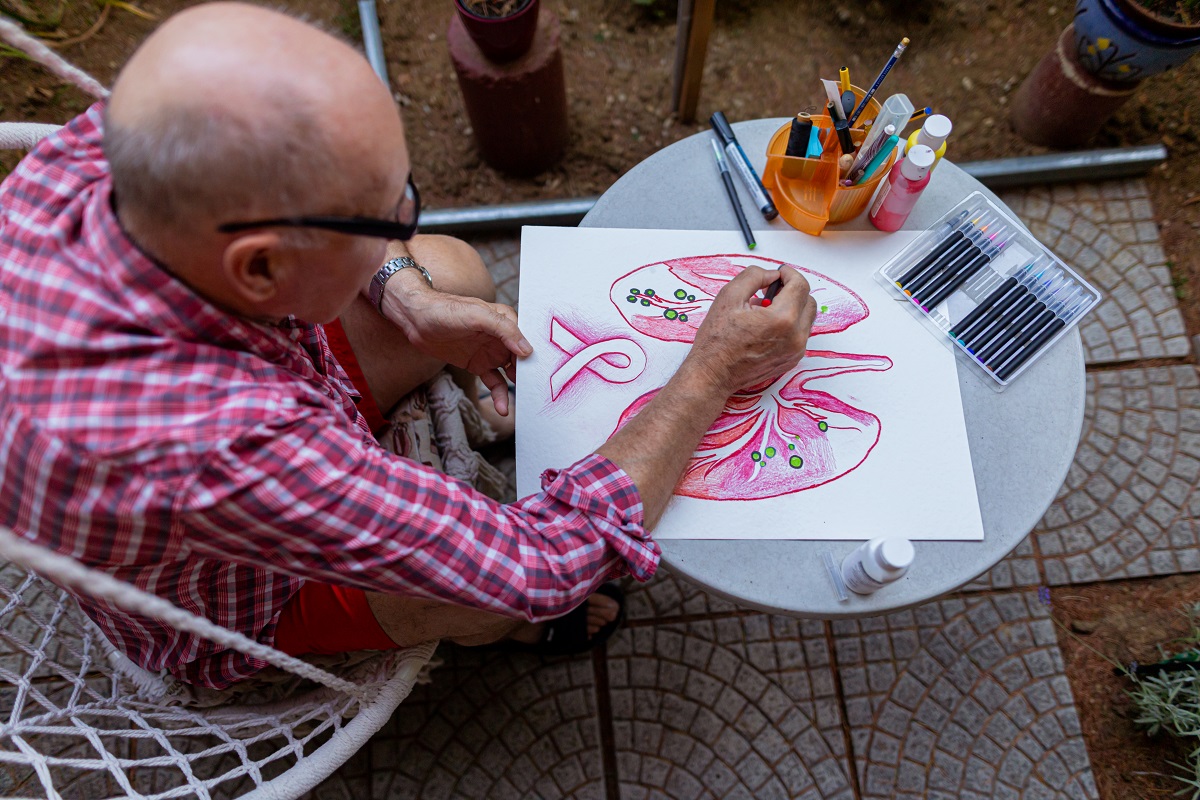
In conclusion, the relationship between art and mental health is undeniable. Art serves as a potent tool for emotional expression, therapeutic healing, and promoting mental well-being. Whether used as a form of self-care, a therapeutic intervention, or a means of raising awareness, art empowers individuals to navigate the complexities of mental health and foster a sense of connection, understanding, and hope.
As we continue to explore this dynamic relationship, we can harness the transformative power of art to create a more compassionate and supportive world for all.
Essential Questionnaire
What are some examples of art forms that can be used for mental health?
Various art forms can be beneficial, including painting, drawing, sculpting, music, writing, dance, photography, and even gardening.
Is art therapy a recognized form of treatment?
Yes, art therapy is a recognized mental health profession, and art therapists are trained to use creative methods to address emotional and mental health concerns.
Can anyone benefit from engaging in art?
Yes, anyone can benefit from engaging in art, regardless of their artistic skill level. The act of creating, observing, or simply appreciating art can have positive impacts on mental well-being.
How can I find art therapy resources?
You can search for art therapists in your area through professional organizations like the American Art Therapy Association (AATA) or the British Association of Art Therapists (BAAT).