
The use of art as a tool for peacebuilding and reconciliation offers a powerful and nuanced approach to addressing conflict and fostering understanding. Art transcends language barriers, allowing individuals from diverse backgrounds to connect on an emotional level and build bridges of empathy.
This unique capacity of art has been recognized for centuries, with artists and art organizations playing crucial roles in promoting dialogue, healing, and social cohesion, particularly in post-conflict societies.
From vibrant murals depicting shared histories to interactive performances that challenge stereotypes, art initiatives have proven their ability to facilitate meaningful conversations and empower marginalized communities. Art can act as a catalyst for personal and collective transformation, providing a platform for individuals to express their experiences, process trauma, and work towards a more peaceful future.
The Power of Art in Conflict Resolution: The Use Of Art As A Tool For Peacebuilding And Reconciliation
Art, in its diverse forms, possesses an unparalleled ability to transcend language barriers and foster empathy, making it a potent tool for peacebuilding and reconciliation. Its power lies in its capacity to bridge cultural divides, spark dialogue, and promote understanding between conflicting parties.
Art as a Catalyst for Empathy and Understanding
Art’s ability to evoke emotions and connect with audiences on a visceral level is instrumental in fostering empathy and understanding between conflicting parties. By presenting different perspectives and experiences through visual art, music, theatre, and literature, art can challenge preconceived notions, break down stereotypes, and promote a sense of shared humanity.
Examples of Art Projects Bridging Cultural Divides
Several art projects have successfully bridged cultural divides and fostered reconciliation. One such example is the “Art for Peace” initiative in Northern Ireland, which brought together artists from both Catholic and Protestant communities to create collaborative works of art. These artworks, often depicting themes of peace and reconciliation, served as a platform for dialogue and understanding, helping to heal the wounds of the past.
The Role of Art in Promoting Dialogue and Reconciliation
Art plays a vital role in promoting dialogue and reconciliation by creating safe spaces for open and honest conversations. Through art workshops, exhibitions, and performances, individuals from different backgrounds can engage in meaningful dialogue, share their experiences, and work towards common goals.
Art can also serve as a catalyst for forgiveness and healing, providing a platform for individuals to express their pain, trauma, and hopes for a better future.
Art as a Platform for Dialogue and Healing
Art transcends language barriers and can serve as a powerful tool for fostering dialogue and healing, especially in post-conflict societies where communication is often strained and trust is broken. Art offers a unique space for individuals to express their experiences, share their perspectives, and begin the process of reconciliation.
Art Initiatives Facilitating Dialogue and Reconciliation
Art initiatives have played a significant role in promoting dialogue and reconciliation in post-conflict societies. These initiatives utilize various art forms, such as theater, music, visual arts, and storytelling, to create platforms for shared experiences, empathy, and understanding.
- The Rwandan Genocide Memorial Centerin Kigali uses art to commemorate the victims of the genocide and promote reconciliation. The center features sculptures, paintings, and photographs that depict the horrors of the genocide and the resilience of survivors. This art serves as a powerful reminder of the past and encourages reflection and dialogue on the importance of preventing future atrocities.
- The Truth and Reconciliation Commission (TRC) in South Africaused art as a tool for truth-telling and healing. The TRC’s work included the collection of testimonies from victims and perpetrators of apartheid, which were often expressed through art forms like music, poetry, and drama. This allowed individuals to process their experiences and share their stories with the broader community, fostering empathy and understanding.
- The Northern Ireland Conflict Transformation Centrehas used art to facilitate dialogue and reconciliation between communities in Northern Ireland. The center’s programs include art workshops, murals, and public art installations that bring together people from different backgrounds to explore shared experiences and build common ground.
Art’s Impact on Healing from Trauma and Promoting Social Cohesion
Art can be a powerful tool for healing from trauma and promoting social cohesion in post-conflict societies. Engaging in creative expression can provide individuals with a safe space to process their emotions, express their pain, and begin to heal.
- Art therapyis a therapeutic approach that uses art-making as a form of self-expression and communication. It can help individuals to cope with trauma, manage their emotions, and develop coping mechanisms. In post-conflict settings, art therapy can be used to help individuals to process their experiences of violence, loss, and displacement.
Art, in its many forms, has the power to bridge divides and foster understanding, serving as a vital tool for peacebuilding and reconciliation. This power stems from its ability to transcend language barriers and connect with audiences on a visceral level.
Recognizing the importance of cultural diversity in a globalized world , art can act as a catalyst for empathy and dialogue, promoting a sense of shared humanity and fostering a more peaceful and inclusive world.
- Community art projectscan bring people together and foster a sense of shared identity and belonging. These projects can involve individuals from different backgrounds in creating art together, which can help to break down barriers and build bridges of understanding.
- Public art installationscan serve as a reminder of the past and a symbol of hope for the future. They can be used to commemorate victims of conflict, celebrate reconciliation, and promote peacebuilding.
Art Empowering Marginalized Communities
Art can empower marginalized communities by giving them a voice and allowing them to share their experiences with the world. It can help to challenge stereotypes, raise awareness about social injustices, and promote social change.
- Street arthas become a powerful tool for marginalized communities to express their grievances and demand change. Artists use murals and graffiti to challenge societal norms, raise awareness about social issues, and give voice to the voiceless.
- Musichas been used by marginalized communities to express their struggles and celebrate their cultures. Music can be a powerful tool for bringing people together, promoting social change, and fostering a sense of solidarity.
- Theatercan provide a platform for marginalized communities to tell their stories and share their perspectives. It can help to challenge stereotypes, raise awareness about social issues, and promote understanding and empathy.
Artistic Expression as a Tool for Peacebuilding
Art has long been recognized as a powerful tool for communication, expression, and social change. In conflict zones, where words often fail, art can serve as a bridge between communities, fostering dialogue, understanding, and reconciliation. This section explores how artistic expression can be utilized as a tool for peacebuilding, focusing on the potential of art to challenge stereotypes, promote tolerance, and build bridges across divides.
Art Projects for Peace and Reconciliation
Art projects can be designed to address specific conflict dynamics and facilitate healing in conflict zones. For example, consider a hypothetical project in a region plagued by ethnic tensions. The project could involve:
- Collaborative murals:Bringing together artists and community members from different ethnic groups to create murals depicting shared history, values, and aspirations. This collaborative process would encourage dialogue and understanding, fostering a sense of shared identity and belonging.
- Peacebuilding theater:Developing and performing plays that explore the root causes of the conflict, the impact of violence, and the possibilities for reconciliation. The performances could involve actors from different ethnic groups, promoting empathy and understanding through storytelling.
- Music workshops:Organizing workshops where participants from different communities learn to play music together. The shared experience of creating music can break down barriers and build trust, fostering a sense of unity and shared purpose.
These projects, by providing a platform for creative expression and collaboration, can contribute to the process of peacebuilding and reconciliation.
The Power of Art to Challenge Stereotypes
Art can effectively challenge stereotypes and promote tolerance by:
- Humanizing the “Other”:Art can portray individuals from different groups as complex human beings with their own stories, experiences, and perspectives. This can challenge preconceived notions and stereotypes, fostering empathy and understanding.
- Providing a platform for marginalized voices:Art can give voice to those who have been silenced or marginalized due to their ethnicity, religion, or other factors. This can challenge dominant narratives and create space for diverse perspectives to be heard.
- Promoting critical thinking:Art can stimulate critical thinking and encourage audiences to question their own assumptions and biases. This can lead to a more nuanced understanding of complex issues and a greater willingness to embrace diversity.
By challenging stereotypes and promoting tolerance, art can contribute to a more just and equitable society.
Key Elements of Successful Art-Based Peacebuilding Initiatives, The use of art as a tool for peacebuilding and reconciliation
Successful art-based peacebuilding initiatives share several key elements:
- Community engagement:These initiatives must be rooted in the community and involve the active participation of local stakeholders. This ensures that the projects are relevant to the needs and concerns of the community and that they are owned and sustained by the community itself.
- Inclusivity and diversity:They must be inclusive of all members of the community, regardless of their ethnicity, religion, or other differences. This promotes dialogue and understanding across divides and ensures that all voices are heard.
- Focus on dialogue and reconciliation:The primary goal of these initiatives should be to foster dialogue, understanding, and reconciliation. Art can be used to facilitate these processes by providing a safe and creative space for people to share their experiences, perspectives, and hopes for the future.
- Long-term sustainability:These initiatives should be designed to be sustainable over the long term. This requires building capacity within the community, providing ongoing support, and ensuring that the project is integrated into the broader peacebuilding efforts.
By incorporating these key elements, art-based peacebuilding initiatives can have a lasting impact on communities in conflict.
The Role of Artists and Art Organizations in Peacebuilding

Artists and art organizations play a crucial role in promoting peace and reconciliation by providing a platform for dialogue, fostering empathy, and facilitating healing. They utilize the power of creative expression to bridge divides, challenge narratives of conflict, and promote understanding between communities.
The Diverse Roles of Artists and Art Organizations
Artists and art organizations engage in a wide range of activities to promote peace and reconciliation. Their roles can be categorized as follows:
| Role | Description |
|---|---|
| Facilitators of Dialogue | Artists and art organizations create spaces for dialogue and understanding through workshops, performances, and exhibitions. They encourage participants to engage in constructive conversations, share their experiences, and explore common ground. |
| Storytellers and Witnesses | Art can be a powerful tool for documenting and preserving the experiences of conflict. Artists can use their work to share stories of suffering, resilience, and hope, giving voice to marginalized communities and promoting empathy. |
| Peacebuilding Educators | Art can be used to educate and raise awareness about conflict resolution, peacebuilding, and human rights. Artists and art organizations can develop educational programs that promote critical thinking, empathy, and tolerance. |
| Community Builders | Art can foster a sense of community and belonging, particularly in conflict-affected areas. Artists and art organizations can organize events and activities that bring people together, promote social cohesion, and build trust. |
| Advocates for Change | Art can be a powerful tool for advocacy and social change. Artists and art organizations can use their work to raise awareness about issues related to conflict, human rights, and peacebuilding, mobilizing public opinion and advocating for policy changes. |
Examples of Art Organizations Working on Peacebuilding Projects
Many art organizations around the world are dedicated to using art for peacebuilding. Here are a few examples:
- The International Committee of the Red Cross (ICRC):The ICRC uses art to promote dialogue and understanding in conflict zones. They have organized exhibitions, workshops, and performances featuring the work of artists from conflict-affected communities.
- The United Nations Educational, Scientific and Cultural Organization (UNESCO):UNESCO supports art-based peacebuilding initiatives through its “Culture of Peace” program. They fund projects that promote dialogue, reconciliation, and cultural understanding.
- The Artists for Peace and Justice (APJ):APJ is a non-profit organization that uses art to address social justice issues, including conflict resolution and peacebuilding. They organize art projects, workshops, and events in conflict zones around the world.
- The Art for Peace Foundation:This foundation supports artists who use their work to promote peace and understanding. They offer grants and other resources to artists working on peacebuilding projects.
Challenges and Opportunities Faced by Artists and Art Organizations in Conflict Zones
Artists and art organizations working in conflict zones face numerous challenges, including:
- Safety and Security:Artists and art organizations working in conflict zones face risks to their safety and security. They may be targeted by armed groups, or their work may be censored or suppressed by authorities.
- Access to Resources:Artists and art organizations in conflict zones often lack access to basic resources, such as funding, materials, and equipment.
- Limited Infrastructure:Conflict zones often have limited infrastructure, making it difficult to organize events, exhibitions, and workshops.
- Political Constraints:Artists and art organizations may face political constraints on their work, such as censorship or restrictions on freedom of expression.
Despite these challenges, artists and art organizations in conflict zones also have opportunities to make a positive impact. Their work can:
- Promote dialogue and understanding:Art can provide a platform for dialogue and understanding between communities, even in the most divided societies.
- Facilitate healing and reconciliation:Art can help individuals and communities to process trauma, heal from conflict, and move towards reconciliation.
- Empower marginalized communities:Art can give voice to marginalized communities and empower them to share their stories and advocate for their rights.
- Inspire hope and change:Art can inspire hope and change, even in the most difficult circumstances.
“Art is not a mirror held up to reality, but a hammer with which to shape it.”
Bertolt Brecht
The Future of Art and Peacebuilding

The future of art in peacebuilding holds immense potential for fostering understanding, promoting dialogue, and creating a more peaceful world. As technology evolves and new platforms emerge, the ways in which art can be utilized to address conflict and promote reconciliation are expanding rapidly.
This section explores the emerging trends and possibilities that shape the future of art and peacebuilding.
The Role of New Technologies in Art and Peacebuilding
New technologies are revolutionizing the way art is created, disseminated, and experienced, offering new avenues for peacebuilding initiatives. These technologies empower artists and peacebuilders to reach wider audiences, engage in interactive experiences, and create immersive and impactful projects.
- Virtual Reality (VR) and Augmented Reality (AR):VR and AR technologies offer immersive experiences that can transport individuals to conflict zones, allowing them to understand the perspectives and experiences of those affected by violence. They can also be used to create virtual spaces for dialogue and reconciliation, fostering empathy and understanding among participants.
- Artificial Intelligence (AI):AI can be used to analyze large datasets of conflict-related information, identifying patterns and trends that can inform peacebuilding strategies. AI-powered tools can also be used to create personalized art experiences, tailoring content to individual needs and preferences.
- Social Media and Online Platforms:Social media platforms and online communities provide powerful tools for disseminating art and promoting dialogue. Artists can use these platforms to share their work, connect with audiences, and engage in conversations about peace and reconciliation.
Emerging Trends in Art and Peacebuilding
The field of art and peacebuilding is constantly evolving, with new trends emerging that reflect the changing nature of conflict and the growing recognition of the role of art in addressing complex challenges.
- Interdisciplinary Approaches:Art is increasingly being integrated with other disciplines, such as psychology, sociology, and political science, to develop more holistic and effective peacebuilding strategies. This interdisciplinary approach allows for a deeper understanding of the root causes of conflict and the development of interventions that address both the emotional and social dimensions of conflict.
- Community-Based Art Initiatives:There is a growing emphasis on community-based art projects that empower local communities to participate in peacebuilding efforts. These initiatives often involve participatory art practices, where community members collaborate with artists to create artwork that reflects their experiences, aspirations, and hopes for the future.
- Focus on Trauma and Healing:Art is increasingly being recognized as a powerful tool for addressing the trauma and psychological wounds associated with conflict. Artists and therapists are working together to develop art-based interventions that help individuals process their experiences, cope with trauma, and build resilience.
Wrap-Up
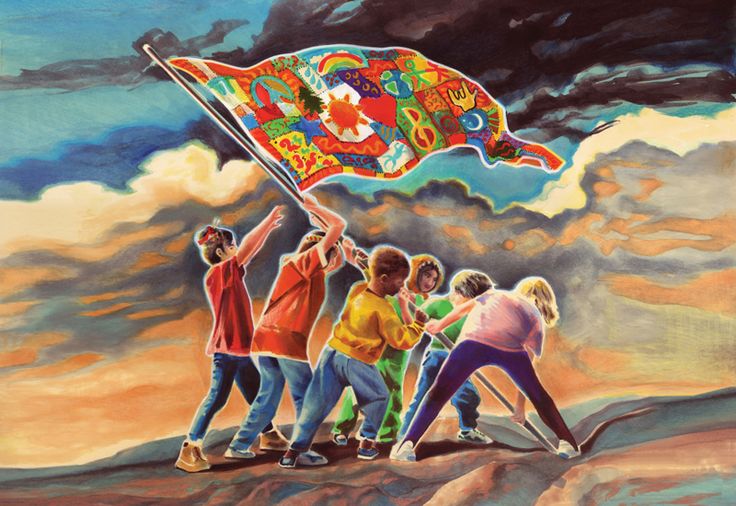
The future of art and peacebuilding holds immense promise, fueled by the increasing recognition of art’s transformative power and the emergence of new technologies and platforms that amplify its reach. As the world grapples with complex challenges, including climate change, social injustice, and political instability, the role of art in fostering peace and reconciliation becomes increasingly critical.
By embracing the creative potential of art, we can cultivate a more compassionate and interconnected world, where dialogue, empathy, and understanding prevail.
Detailed FAQs
What are some specific examples of art projects that have successfully bridged cultural divides?
One notable example is the “Art for Peace” initiative in Northern Ireland, where artists from Catholic and Protestant communities collaborated on murals depicting shared history and promoting reconciliation. Another example is the “Peace Through Music” project in Rwanda, which brought together musicians from different ethnic groups to create music that reflected the shared pain and hope of the country.
How can art be used to challenge stereotypes and promote tolerance?
Art can challenge stereotypes by presenting alternative narratives and perspectives that challenge dominant ideologies. For example, artists can create works that depict marginalized communities in a more nuanced and empathetic light, promoting understanding and breaking down prejudices. Additionally, art can be used to foster dialogue and exchange between different groups, allowing individuals to learn from each other and develop a more inclusive understanding of the world.
What are some of the challenges faced by artists and art organizations in conflict zones?
Artists and art organizations in conflict zones often face significant challenges, including limited resources, safety concerns, and political restrictions. They may also encounter resistance from those who view art as a threat to their power or ideology. Despite these challenges, artists and art organizations play a vital role in promoting peace and reconciliation, providing a space for dialogue, healing, and hope.