
The impact of climate change on cultural heritage is a pressing issue that threatens the very fabric of our shared history and identity. From ancient ruins to living traditions, our world’s cultural treasures are facing unprecedented challenges due to rising temperatures, sea-level rise, extreme weather events, and other climate-related impacts.
This phenomenon is not a future threat; it is a present reality, already causing tangible damage to cultural heritage sites around the globe.
Climate change is a multifaceted problem, driven by human activities that release greenhouse gases into the atmosphere, trapping heat and causing the planet to warm. This warming has far-reaching consequences, including more frequent and intense heat waves, droughts, floods, and storms.
These extreme weather events pose significant threats to cultural heritage sites, causing physical damage, erosion, and displacement of communities who hold valuable cultural knowledge.
Understanding Climate Change and its Impacts
Climate change, a pressing global concern, is a complex phenomenon with far-reaching consequences, including a significant impact on cultural heritage. Understanding the various ways climate change manifests is crucial for effectively addressing its impact on these irreplaceable treasures.
The Manifestations of Climate Change
The scientific consensus recognizes that human activities, primarily the burning of fossil fuels, are the primary drivers of climate change. This leads to a gradual increase in the Earth’s average temperature, known as global warming, and a series of cascading effects.
- Rising Temperatures:The Earth’s average temperature has been steadily increasing over the past century, primarily due to the greenhouse effect. This rise in temperature contributes to melting glaciers and ice caps, altering precipitation patterns, and increasing the frequency and intensity of extreme weather events.
- Sea-Level Rise:As global temperatures rise, glaciers and ice sheets melt at an accelerated rate, adding to the volume of water in the oceans. This leads to a gradual rise in sea levels, posing a significant threat to coastal communities and low-lying cultural heritage sites.
- Extreme Weather Events:Climate change increases the frequency and intensity of extreme weather events, such as hurricanes, droughts, floods, and heat waves. These events can cause significant damage to cultural heritage sites, including erosion, flooding, and structural damage.
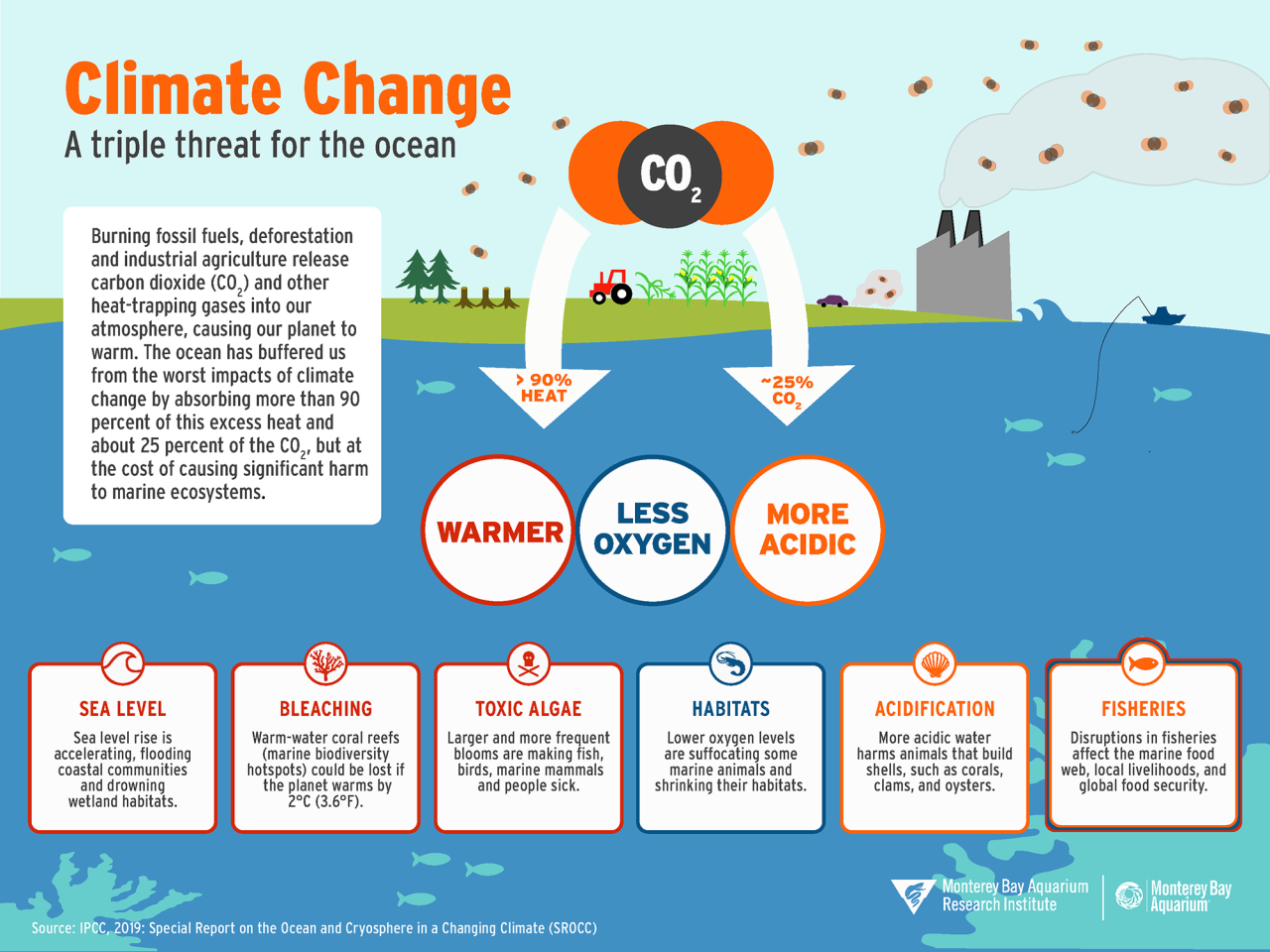
- Ocean Acidification:The absorption of carbon dioxide from the atmosphere into the oceans leads to a decrease in pH, a process known as ocean acidification. This acidification poses a threat to marine ecosystems and can impact cultural heritage sites located in coastal areas or underwater, such as shipwrecks or coral reefs.
The Scientific Consensus on Climate Change
The overwhelming scientific consensus recognizes that climate change is real, human-induced, and poses significant risks to our planet and its inhabitants. The Intergovernmental Panel on Climate Change (IPCC), a leading international body for the assessment of climate change, has concluded that human activities are the dominant cause of observed warming since the mid-20th century.
“It is extremely likely that human influence has been the dominant cause of the observed warming since the mid-20th century.”
IPCC, 2013
The Impact of Climate Change on Cultural Heritage
The consequences of climate change are already being felt around the world, with cultural heritage sites facing a multitude of threats.
- Erosion and Flooding:Rising sea levels and increased storm surges are causing erosion and flooding in coastal areas, threatening archaeological sites, historic buildings, and monuments. For example, the ancient city of Alexandria in Egypt is facing significant erosion due to rising sea levels, jeopardizing its historical structures and artifacts.
The impact of climate change on cultural heritage is a pressing issue, as rising sea levels, extreme weather events, and temperature fluctuations threaten irreplaceable artifacts and historical sites. To address this challenge, consider exploring ways to contribute to conservation efforts through a side hustle, such as learning about sustainable tourism practices or volunteering with organizations dedicated to preserving cultural heritage.
By raising awareness and supporting initiatives, we can help protect these invaluable treasures for future generations.
- Damage from Extreme Weather Events:Extreme weather events, such as hurricanes, floods, and droughts, can cause severe damage to cultural heritage sites. The 2017 hurricane season in the Caribbean caused significant damage to historic buildings and archaeological sites in the region.
- Melting Glaciers and Permafrost:The melting of glaciers and permafrost is exposing archaeological sites and artifacts that have been preserved for centuries. However, this exposure also makes them vulnerable to damage from weathering and erosion.
- Changes in Precipitation Patterns:Shifts in precipitation patterns, including more frequent droughts and floods, can impact cultural heritage sites. For example, the ancient city of Petra in Jordan, carved into sandstone cliffs, is susceptible to damage from heavy rainfall and flash floods.
- Ocean Acidification:Ocean acidification can damage coral reefs, a significant part of marine cultural heritage. The Great Barrier Reef in Australia, a UNESCO World Heritage site, is facing severe bleaching and damage due to rising ocean temperatures and acidification.
Impact on Physical Heritage
Climate change poses a significant threat to cultural heritage, with physical structures being particularly vulnerable. Rising temperatures, sea-level rise, and extreme weather events all contribute to the deterioration and destruction of historical buildings, monuments, and archaeological sites.
Impact of Rising Temperatures
Rising temperatures directly impact physical heritage through heat stress, expansion, and contraction of materials. Heat stress weakens building materials, making them more susceptible to damage from other factors. The expansion and contraction of materials caused by temperature fluctuations can lead to cracks, fractures, and even collapse.
- For example, stone structures, such as ancient temples and castles, are particularly vulnerable to heat stress. The expansion and contraction of stone due to temperature fluctuations can cause cracks and fractures, weakening the structure and leading to eventual collapse.
- In addition, high temperatures can also accelerate the rate of weathering and erosion of materials, further contributing to the deterioration of structures.
Impact of Sea-Level Rise and Coastal Erosion
Sea-level rise and coastal erosion pose significant threats to coastal heritage sites, including ancient settlements, fortifications, and sacred sites. Rising sea levels can lead to flooding and saltwater intrusion, which can damage structures and erode foundations. Coastal erosion can also lead to the loss of archaeological sites and the destruction of coastal landscapes.
- For instance, the ancient city of Alexandria in Egypt is facing significant threats from sea-level rise and coastal erosion. The city’s iconic Pharos Lighthouse, one of the Seven Wonders of the Ancient World, is at risk of being lost to the sea.
- Similarly, the archaeological site of Angkor Wat in Cambodia, a UNESCO World Heritage Site, is threatened by rising sea levels and coastal erosion.
Impact of Extreme Weather Events
Extreme weather events, such as floods, droughts, and storms, can cause significant damage to cultural heritage sites. Floods can inundate structures, leading to the destruction of artifacts, buildings, and landscapes. Droughts can cause soil erosion and damage to structures, while storms can cause wind damage, flooding, and landslides.
- In 2011, a severe flood in the Czech Republic damaged numerous historical buildings and monuments, including the UNESCO World Heritage Site of Český Krumlov.
- In 2017, Hurricane Harvey caused significant damage to the city of Houston, Texas, including the destruction of historical buildings and the flooding of numerous museums and cultural institutions.
Impact on Intangible Heritage
Climate change poses a significant threat to intangible cultural heritage, encompassing the traditions, customs, knowledge, and practices that define a community’s identity and sense of belonging. These intangible elements, often passed down through generations, are vulnerable to the impacts of a changing climate, which can disrupt traditional knowledge systems, cultural practices, and artistic expressions.
Impact on Traditional Knowledge Systems
Climate change can lead to the loss of biodiversity, which is crucial for many traditional knowledge systems. Indigenous communities, for instance, have deep knowledge about the use of plants and animals for food, medicine, and other purposes. As climate change alters ecosystems, species may disappear or become scarce, disrupting traditional knowledge systems and hindering the ability to sustain traditional livelihoods.
- In the Arctic, indigenous communities rely on traditional knowledge about ice conditions and animal migration patterns for hunting and fishing. Climate change is altering these patterns, making it difficult to access traditional food sources and endangering traditional livelihoods.
- In the Amazon rainforest, indigenous communities have developed extensive knowledge about the medicinal properties of plants. As climate change impacts the rainforest, certain plant species may become extinct, leading to the loss of traditional knowledge about their medicinal uses.
Impact on Cultural Practices
Climate change can also disrupt cultural practices that are closely linked to specific environmental conditions. Traditional ceremonies, festivals, and rituals often depend on specific weather patterns, seasons, or natural resources. When these conditions change, cultural practices may become difficult or impossible to maintain, leading to the erosion of cultural identity.
- In the Pacific Islands, many cultural practices are linked to the ocean, including fishing, navigation, and traditional ceremonies. Rising sea levels and ocean acidification are threatening these practices, impacting cultural identity and livelihoods.
- In the Himalayas, traditional agricultural practices are dependent on predictable monsoon patterns. Climate change is altering these patterns, leading to crop failures and impacting traditional livelihoods and cultural practices.
Impact on Artistic Expressions
Climate change can also influence artistic expressions, which often draw inspiration from the natural world. As landscapes and ecosystems change, artistic traditions may be affected, leading to the loss of cultural creativity and innovation.
- In the Sahel region of Africa, traditional music and dance often reflect the rhythms of the natural world, including rainfall patterns and the movements of animals. Climate change is disrupting these rhythms, impacting artistic expressions and cultural identity.
- In the Mediterranean region, traditional crafts often use materials from the local environment, such as wood, clay, and stone. Climate change is impacting the availability of these materials, threatening traditional crafts and artistic expressions.
Displacement and Cultural Erosion
Climate change can force communities to relocate, leading to the displacement of cultural practices and the erosion of cultural identity. As sea levels rise, coastal communities may be forced to move inland, leaving behind their traditional homes, cultural landscapes, and ancestral knowledge.
- In the Maldives, rising sea levels are threatening the existence of entire communities, forcing them to relocate and potentially losing their cultural heritage.
- In Bangladesh, coastal erosion and flooding are displacing communities, leading to the loss of traditional knowledge and cultural practices.
Challenges and Opportunities for Conservation

Protecting cultural heritage from the accelerating effects of climate change presents a formidable challenge for heritage managers. The rising temperatures, extreme weather events, and sea-level rise are putting unprecedented pressure on our cultural treasures, threatening their very existence. This section explores the multifaceted challenges faced by heritage managers and delves into the innovative strategies and technologies being developed to safeguard our cultural heritage for future generations.
Strategies for Mitigating Climate Change Impacts
Climate change poses a significant threat to cultural heritage, requiring proactive measures to mitigate its impacts. Various strategies are being employed to protect heritage sites, including:
- Adaptive Reuse: This strategy involves repurposing existing heritage structures for new uses while preserving their historical integrity. For example, converting a historic building into a community center or a museum can ensure its continued use and preservation. Adaptive reuse not only protects the heritage structure but also fosters community engagement and economic development.
- Climate-Resilient Design: Designing new structures and retrofitting existing ones to withstand the impacts of climate change is crucial. This involves incorporating features such as flood-resistant materials, elevated foundations, and sustainable energy systems. The iconic Taj Mahal in India is an example of a heritage site that has undergone extensive restoration and climate-resilient upgrades to protect it from the effects of air pollution and rising groundwater levels.
- Early Warning Systems: Implementing early warning systems can help predict and prepare for extreme weather events, minimizing damage to heritage sites. These systems use sensors and data analysis to monitor environmental conditions and provide timely alerts to heritage managers. The UNESCO World Heritage Centre has established a program to develop early warning systems for heritage sites around the world.
- Community Engagement: Engaging local communities in conservation efforts is essential. Their knowledge of the site’s history and environment can be invaluable in developing effective conservation strategies. For instance, in the Maldives, local communities are actively involved in monitoring coral reefs and implementing measures to protect them from the effects of climate change.
This collaborative approach helps ensure that conservation efforts are culturally sensitive and sustainable.
Successful Conservation Efforts
Several successful conservation efforts have incorporated climate change considerations into their plans, demonstrating the effectiveness of these strategies.
- The Great Wall of China: Facing threats from erosion, landslides, and vegetation encroachment, the Great Wall of China has undergone significant conservation efforts. These include the use of geotechnical engineering techniques to stabilize slopes, the planting of native vegetation to prevent erosion, and the development of a comprehensive monitoring system to track the wall’s condition.
These measures have helped protect the Great Wall from the impacts of climate change and ensure its preservation for future generations.
- The Acropolis in Athens, Greece: The Acropolis, a UNESCO World Heritage site, has been threatened by rising temperatures and extreme weather events. To mitigate these impacts, the Acropolis Museum has implemented a number of conservation measures, including the installation of a new drainage system to prevent water damage, the use of reflective materials to reduce heat absorption, and the development of a comprehensive climate monitoring system.
These measures have helped protect the Acropolis from the effects of climate change and ensure its continued accessibility for visitors.
Global Responses and International Cooperation
The global community recognizes the urgent need to protect cultural heritage from the threats posed by climate change. International organizations and agreements play a crucial role in coordinating efforts and providing a framework for safeguarding cultural treasures.
International Organizations and Agreements
International organizations and agreements are essential in fostering global collaboration and promoting best practices for climate change adaptation and mitigation in cultural heritage conservation. These entities provide a platform for knowledge sharing, capacity building, and resource mobilization.
- The United Nations Educational, Scientific and Cultural Organization (UNESCO): UNESCO plays a leading role in promoting the protection of cultural heritage, including through its World Heritage Convention. The organization has developed guidelines and strategies to address the impact of climate change on cultural heritage, emphasizing the importance of risk assessment, preventive conservation, and community engagement.
UNESCO also works with countries to develop national policies and strategies for cultural heritage conservation in the face of climate change.
- The International Council on Monuments and Sites (ICOMOS): ICOMOS, a non-governmental organization, provides expertise and guidance on the conservation and management of cultural heritage. The organization has developed specific recommendations for addressing the impact of climate change on heritage sites, focusing on the need for integrated management plans, climate-resilient design, and the use of traditional knowledge in conservation practices.
- The United Nations Framework Convention on Climate Change (UNFCCC): The UNFCCC, an international environmental treaty, aims to stabilize greenhouse gas concentrations in the atmosphere to prevent dangerous anthropogenic interference with the climate system. While the convention does not explicitly address cultural heritage, it acknowledges the importance of protecting ecosystems and cultural values in its efforts to combat climate change.
International Collaboration and Knowledge Sharing
International collaboration and knowledge sharing are crucial for developing effective conservation strategies for cultural heritage in a changing climate. The exchange of information, best practices, and research findings allows countries to learn from each other’s experiences and adapt their approaches to local contexts.
- Joint Research Projects: Collaborative research projects involving experts from different countries enable the sharing of data, methodologies, and insights on the impact of climate change on cultural heritage. These projects can help identify vulnerabilities, develop innovative conservation techniques, and promote best practices for climate-resilient heritage management.
- Capacity Building Programs: International organizations and institutions offer training programs and workshops to build the capacity of heritage professionals in developing countries to address the challenges of climate change. These programs equip professionals with the knowledge and skills needed to assess climate risks, implement mitigation measures, and develop sustainable conservation strategies.
- International Conferences and Workshops: Regular international gatherings provide a platform for heritage professionals, researchers, and policymakers to discuss the latest developments, share experiences, and explore solutions for safeguarding cultural heritage from the effects of climate change. These events facilitate the exchange of ideas, the development of collaborative projects, and the promotion of international cooperation.
Examples of International Cooperation, The impact of climate change on cultural heritage
Countries around the world are collaborating to protect their shared cultural heritage from the effects of climate change.
- The Great Barrier Reef World Heritage Area: Australia, in collaboration with UNESCO and other international partners, is implementing a range of initiatives to protect the Great Barrier Reef from the impacts of climate change. These initiatives include coral reef restoration programs, marine park management strategies, and research projects to monitor the health of the reef ecosystem.
- The Indus Valley Civilization Sites in Pakistan and India: Pakistan and India are working together to protect the archaeological sites of the Indus Valley Civilization, which are threatened by climate change-induced floods, erosion, and salinization. This collaboration involves joint research, capacity building programs, and the development of integrated management plans to mitigate the risks posed by climate change.
- The World Heritage Sites in the Mediterranean Region: The Mediterranean region is particularly vulnerable to the impacts of climate change, including rising sea levels, extreme weather events, and droughts. Countries in the region are collaborating to develop strategies for protecting their World Heritage Sites, including the development of climate change adaptation plans, the use of sustainable building materials, and the implementation of early warning systems for extreme weather events.
Summary: The Impact Of Climate Change On Cultural Heritage

As we confront the devastating impact of climate change on cultural heritage, it is crucial to act with urgency and resolve. Conservation efforts must be strengthened, incorporating climate change considerations into every aspect of heritage management. International collaboration and knowledge sharing are essential to develop effective strategies for safeguarding our shared cultural heritage for future generations.
By working together, we can mitigate the impacts of climate change, protect our cultural treasures, and ensure that the stories of our past continue to inspire and enrich our future.
Questions and Answers
What are some specific examples of how climate change is impacting cultural heritage?
Climate change is impacting cultural heritage in numerous ways. For example, rising sea levels are threatening coastal archaeological sites like the ancient city of Alexandria in Egypt. Extreme weather events like hurricanes and floods have damaged historical buildings and monuments, such as the Taj Mahal in India.
In the Arctic, melting permafrost is causing damage to indigenous settlements and cultural landscapes.
What can individuals do to help protect cultural heritage from climate change?
Individuals can make a difference by supporting organizations that work to protect cultural heritage, advocating for climate action, and reducing their own carbon footprint. By making sustainable choices in our daily lives, we can contribute to mitigating the impacts of climate change and safeguarding our shared cultural heritage.
What are the long-term implications of climate change on cultural heritage?
The long-term implications of climate change on cultural heritage are profound. If we fail to address this issue, we risk losing irreplaceable cultural treasures, disrupting traditional knowledge systems, and undermining the cultural identities of communities around the world. The consequences extend beyond the loss of physical objects; they impact the very fabric of human civilization.