
How to get the cheapest car insurance quotes? sets the stage for this enthralling narrative, offering readers a glimpse into a story that is rich in detail and brimming with originality from the outset. Navigating the world of car insurance can feel like a maze, especially when you’re trying to find the best rates.
But with a little knowledge and strategy, you can significantly reduce your premiums and keep more money in your pocket. This guide will equip you with the tools and techniques to secure the most affordable car insurance quotes, empowering you to make informed decisions and save money.
This comprehensive guide explores the intricate workings of car insurance quotes, demystifying the factors that influence your premiums. From understanding how insurance companies calculate their rates to leveraging various discounts and negotiation strategies, you’ll gain a clear understanding of the entire process.
We’ll also guide you through comparing quotes from multiple insurers, identifying the most competitive options, and choosing the coverage that best suits your needs. Ultimately, this guide aims to empower you to become a savvy car insurance consumer, securing the most affordable rates without compromising on essential coverage.
Understanding Car Insurance Quotes
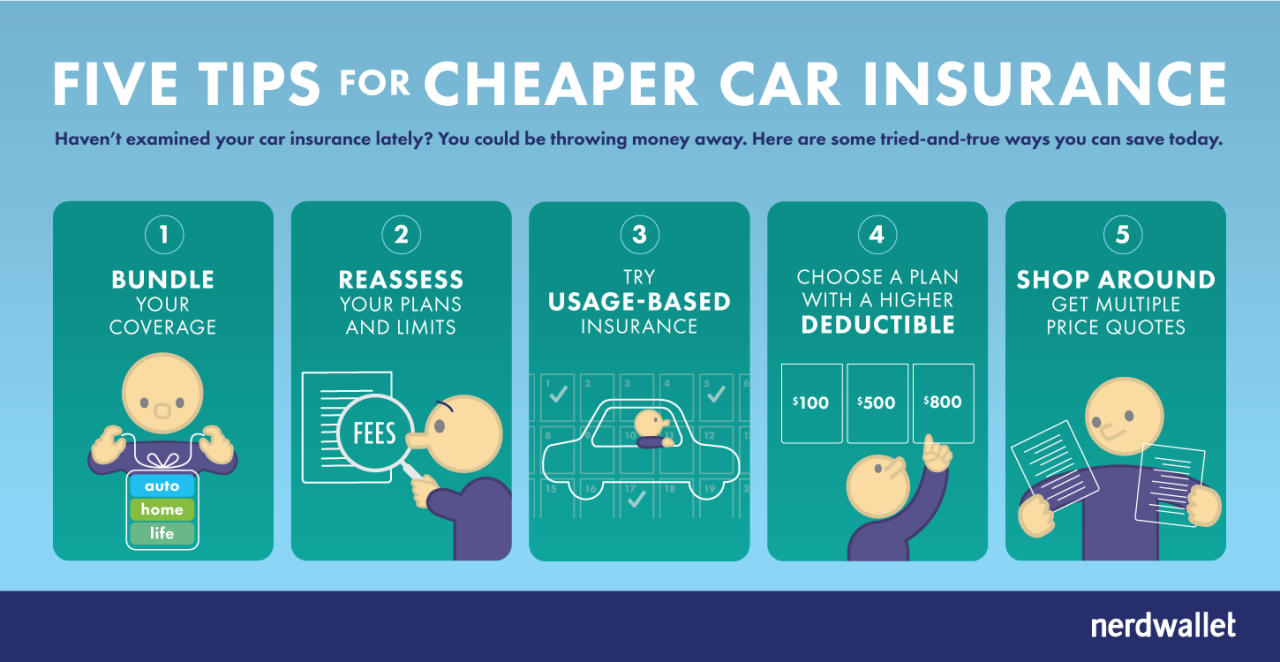
Car insurance quotes are estimates of how much you’ll pay for coverage. They’re not set in stone, and the final price you pay can vary based on a number of factors. Understanding how insurance companies calculate quotes is crucial for getting the best deal.
Factors Influencing Car Insurance Quotes, How to get the cheapest car insurance quotes?
Understanding the factors that influence your car insurance quotes is essential for getting the best price. Insurance companies use a complex formula to calculate premiums, considering a variety of factors, including:
- Your Driving Record:A clean driving record with no accidents or traffic violations will generally result in lower premiums. Insurance companies view drivers with a history of accidents or violations as higher risk, leading to higher premiums.
- Your Age and Gender:Younger drivers, especially those under 25, are statistically more likely to be involved in accidents. Similarly, certain gender groups may have higher accident rates. These factors can influence your premiums.
- Your Location:Insurance companies consider the risk of accidents in your area. Areas with higher crime rates or more traffic congestion may have higher premiums.
- Your Vehicle:The type of vehicle you drive, its age, and its safety features can affect your premium. Luxury cars or high-performance vehicles may be more expensive to insure.
- Your Coverage:The type and amount of coverage you choose will also affect your premium. Comprehensive and collision coverage, which protect against damage to your vehicle, will generally cost more than liability coverage, which protects against injuries or damage to others.
- Your Credit History:In some states, insurance companies may use your credit history to determine your premiums. This is based on the idea that people with good credit are more likely to be responsible drivers.
How Insurance Companies Calculate Premiums
Insurance companies use a complex formula to calculate your premium. Here’s a breakdown of the key components:
- Base Rate:This is the starting point for your premium and is determined by factors like your age, gender, and location.
- Risk Factors:These factors are added to your base rate based on your driving record, vehicle type, and other factors. For example, a driver with a history of accidents or violations will have a higher risk factor than a driver with a clean record.
- Coverage Levels:The type and amount of coverage you choose will also affect your premium. Comprehensive and collision coverage will generally cost more than liability coverage.
- Discounts:Insurance companies offer various discounts for factors like good driving records, safety features, and multiple policies. These discounts can significantly reduce your premium.
Understanding the Components of a Quote
When you get a car insurance quote, it’s important to understand the different components:
- Premium:This is the amount you’ll pay for your insurance coverage.
- Deductible:This is the amount you’ll pay out of pocket in the event of an accident or claim before your insurance coverage kicks in.
- Coverage Limits:These are the maximum amounts your insurance company will pay for specific types of claims, such as bodily injury or property damage.
- Discounts:This is a list of any discounts you qualify for, such as good driver discounts or multi-policy discounts.
Last Point

Armed with the knowledge and strategies presented in this guide, you’ll be well-equipped to navigate the car insurance landscape confidently. Remember, understanding the factors that influence your premiums, comparing quotes from multiple insurers, and utilizing available discounts are key to securing the most affordable rates.
By embracing a proactive approach and taking advantage of the resources available, you can achieve significant savings on your car insurance, freeing up your budget for other priorities.
Questions and Answers: How To Get The Cheapest Car Insurance Quotes?
What are the main factors that affect my car insurance premiums?
Several factors influence your premiums, including your driving history, age, location, vehicle type, credit score, and coverage options.
How often should I compare car insurance quotes?
It’s generally recommended to compare quotes at least annually, or even more frequently if you experience significant life changes, such as a new car purchase, a change in address, or an improvement in your driving record.
What are some common insurance discounts I can qualify for?
Many insurers offer discounts for safe driving, good student records, multiple vehicle insurance, bundling policies, and safety features in your car.
Is it possible to negotiate my car insurance premiums?
Yes, you can often negotiate your premiums by comparing quotes, highlighting your good driving record, and exploring available discounts.