
Credit card security measures protecting your information are paramount in today’s digital landscape. This comprehensive guide delves into the multifaceted world of safeguarding your financial data, from the fundamental importance of secure authentication to the ever-evolving cybersecurity landscape.
Protecting sensitive credit card information requires a multifaceted approach. This guide explores the crucial aspects of security, covering everything from the different types of credit cards and their respective risks to the latest advancements in fraud detection and prevention techniques. We’ll also examine the crucial role of financial institutions, consumers, and technology in maintaining a robust security posture.
Introduction to Credit Card Security
Protecting credit card information is paramount in today’s digital landscape. With the increasing reliance on online transactions and the ever-present threat of fraud, robust security measures are essential to safeguard personal financial data. A breach can lead to significant financial losses and cause considerable distress. Understanding the security measures in place, and the potential threats, is crucial for responsible credit card use.
Credit card security encompasses a wide range of strategies and technologies designed to protect sensitive information from unauthorized access, use, or disclosure. This includes everything from encryption protocols used during online transactions to the physical security measures employed by financial institutions. Recognizing the different types of credit cards and their vulnerabilities is also key to mitigating risks.
Importance of Credit Card Security Measures
Protecting credit card information is crucial for preserving financial well-being. Stolen or compromised credit card details can lead to unauthorized purchases, identity theft, and significant financial losses. A secure system helps to minimize these risks and maintain trust in online transactions.
Common Threats to Credit Card Data
Common threats to credit card data include phishing scams, malware infections, and data breaches. Phishing attempts often involve deceptive emails or websites designed to trick users into revealing their credit card information. Malware can infiltrate systems, stealing data in the background. Data breaches, often resulting from vulnerabilities in databases, can expose sensitive information to malicious actors. These threats highlight the importance of vigilance and proactive security measures.
Different Types of Credit Cards and Their Associated Security Risks
Credit cards come in various forms, each with its own set of security considerations. Physical cards are susceptible to theft or loss, while virtual cards, often used for online transactions, can be targeted by phishing or malware attacks. Contactless cards, though convenient, have the potential to be vulnerable to skimming or close-range attacks.
Role of Financial Institutions in Ensuring Credit Card Security
Financial institutions play a vital role in protecting credit card information. They invest in advanced security technologies, implement robust fraud detection systems, and educate customers about security best practices. Strong encryption, regular security audits, and partnerships with law enforcement agencies are critical components of their efforts.
Comparison of Security Measures Across Credit Card Types
| Credit Card Type | Security Measures | Potential Risks |
|---|---|---|
| Physical Cards | Magnetic stripe encryption, EMV chip technology, and fraud detection systems | Theft, loss, skimming, and physical breaches. |
| Virtual Cards | Dynamically generated card numbers, expiration dates, and transaction limits. | Phishing scams, malware infections, and online vulnerabilities. |
| Contactless Cards | Encryption protocols, close-range security protocols, and fraud detection systems. | Skimming, unauthorized use in close proximity, and compromised terminals. |
The table above provides a concise overview of the security measures employed by various credit card types and their associated vulnerabilities. A comprehensive approach that considers all these factors is essential for effective credit card security.
Authentication Methods
Protecting credit card information during transactions requires robust authentication methods to verify the user’s identity and prevent fraudulent activities. Effective authentication goes beyond simply asking for a password; it incorporates various techniques that combine factors to increase security. This ensures that only authorized individuals can access and use the credit card.
Password-Based Authentication
Passwords remain a prevalent authentication method for online transactions. A strong password, incorporating a mix of uppercase and lowercase letters, numbers, and symbols, significantly increases security. Users should avoid using easily guessable passwords like their names, birthdays, or common phrases. Password managers can help generate and store complex passwords securely, reducing the risk of weak or reused passwords. Security protocols for password-based authentication often include encryption to protect the transmitted data. However, passwords are susceptible to brute-force attacks, phishing scams, and social engineering tactics, which compromise the security of the system.
PIN-Based Authentication
PINs (Personal Identification Numbers) are another widely used authentication method, particularly for physical credit cards and ATMs. PINs are generally short numerical sequences that the user must enter to authorize transactions. PINs offer a convenient and relatively secure method when used correctly. Security protocols for PIN-based authentication often involve transaction limits and time-based restrictions to prevent fraudulent activities. A major weakness is the potential for PIN disclosure through physical theft or social engineering. Also, memorized PINs are vulnerable to memory lapses or social engineering.
Biometric Authentication
Biometric authentication utilizes unique physical characteristics to verify a user’s identity. Methods like fingerprint scanning, facial recognition, or iris scanning offer high levels of security as these characteristics are inherently unique to each individual. Security protocols often involve encryption of the biometric data and multiple layers of verification to minimize vulnerabilities. Biometric authentication offers strong security against unauthorized access. However, there are potential privacy concerns associated with storing and using biometric data. Also, there are challenges in implementing biometric systems reliably in diverse environments and situations.
Two-Factor Authentication (2FA)
Two-factor authentication is a security mechanism that requires two independent authentication factors. The most common example is using a password combined with a one-time code sent via SMS or an authenticator app. This significantly increases security, as unauthorized access requires both the password and the additional factor. Security protocols for 2FA usually involve time-sensitive codes, ensuring that the codes are only valid for a limited period. 2FA is a robust security measure that mitigates the risks associated with password-based authentication. However, issues with SMS-based 2FA include potential interception of the code and reliance on a functional mobile device.
Comparison Table of Authentication Methods
| Authentication Method | Pros | Cons |
|---|---|---|
| Password | Commonly used, readily available | Susceptible to brute-force attacks, phishing, social engineering |
| PIN | Convenient, relatively secure for physical transactions | Vulnerable to physical theft, social engineering |
| Biometrics | High security due to unique characteristics | Privacy concerns, implementation challenges |
| 2FA | Significantly increases security by requiring multiple factors | Reliance on secondary factor, potential for interception |
Data Encryption and Protection: Credit Card Security Measures Protecting Your Information
Protecting sensitive credit card information during storage and transmission is paramount. Robust encryption methods are crucial components of a comprehensive security strategy, safeguarding data from unauthorized access and manipulation. This involves not only the encryption of data itself but also the secure storage of the encryption keys and the implementation of secure protocols for transactions.
Encryption Process and Role in Security
Data encryption transforms readable data (plaintext) into an unreadable format (ciphertext) using a cryptographic key. This process ensures that even if intercepted, the data remains unintelligible without the corresponding decryption key. In credit card security, encryption plays a vital role in safeguarding transactions and stored data. Encrypted data is less susceptible to breaches, significantly reducing the risk of fraudulent activities.
Encryption Algorithms Used
Various encryption algorithms are employed to protect credit card data. These algorithms differ in their strength and complexity, impacting the level of security they provide. Examples include Advanced Encryption Standard (AES), which is widely used for its robust security and efficiency. Triple DES (3DES) is another frequently used algorithm, offering enhanced security compared to its predecessor, DES. These algorithms, along with others, are vital for protecting sensitive information during transmission and storage.
Secure Storage of Credit Card Information
Secure storage is critical to maintaining the integrity of credit card information. Physical security measures, such as controlled access to data centers and secure facilities, are necessary. Additionally, employing encryption techniques directly on storage devices safeguards data even if the physical storage is compromised. Employing multi-layered security measures to protect storage locations is critical for safeguarding credit card data from unauthorized access and modification.
Security Protocols During Transaction Processing
Secure protocols are essential for protecting credit card information during transactions. Secure Sockets Layer (SSL) and its successor, Transport Layer Security (TLS), are commonly used protocols that encrypt data transmitted between a user’s device and a merchant’s server. These protocols ensure that sensitive information, such as credit card numbers and expiration dates, is transmitted securely. They establish a secure connection and authenticate both parties involved in the transaction.
Table of Encryption Methods and Security Levels
| Encryption Method | Security Level | Description |
|---|---|---|
| AES-128 | High | Advanced Encryption Standard with a 128-bit key. Widely considered secure for most applications. |
| AES-256 | Very High | Advanced Encryption Standard with a 256-bit key. Offers enhanced security compared to AES-128. |
| 3DES | Moderate | Triple DES uses three DES keys for encryption, providing greater security than single DES. |
| RSA | High | RSA (Rivest-Shamir-Adleman) is an asymmetric encryption algorithm, commonly used for key exchange. |
Note: Security levels are relative and depend on the specific implementation and key management practices.
Fraud Prevention and Detection
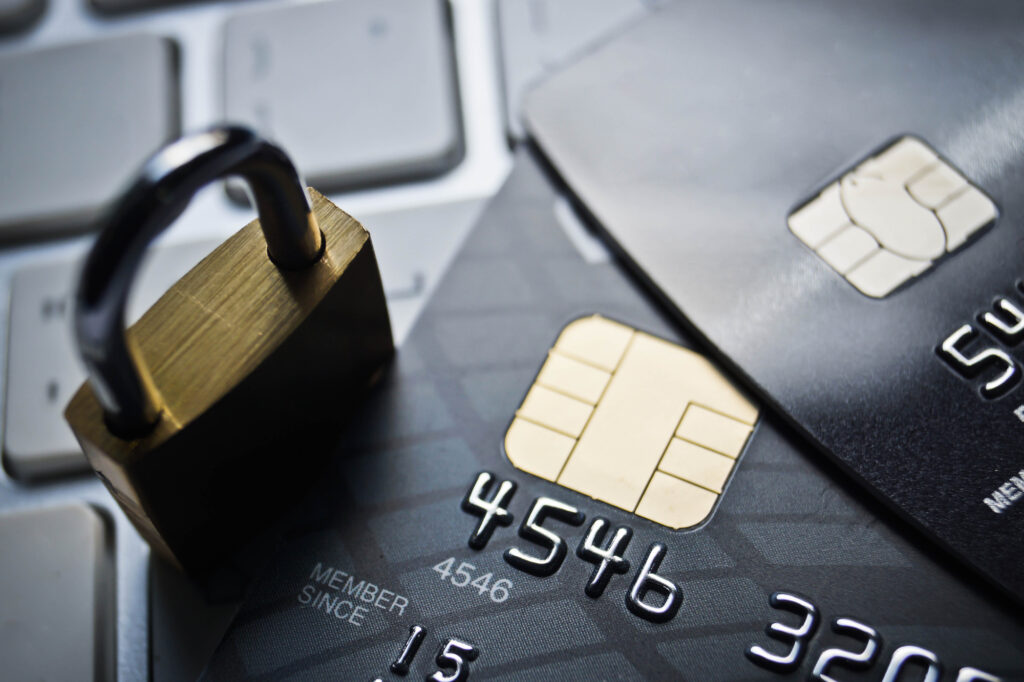
Protecting credit card information from fraud requires a multifaceted approach that combines robust security measures with vigilant fraud detection techniques. Financial institutions employ sophisticated systems to monitor transactions, identify suspicious patterns, and quickly respond to fraudulent activity. The ultimate goal is to minimize losses and maintain customer trust.
Fraud Detection Techniques
Financial institutions utilize a variety of techniques to detect fraudulent credit card activities. These methods range from simple rule-based systems to complex machine learning algorithms. Pattern recognition, anomaly detection, and behavioral biometrics are all crucial components of a comprehensive fraud prevention strategy. For example, a sudden increase in transactions from an unfamiliar location might trigger an alert, signaling potential fraud.
Role of Fraud Monitoring Systems
Fraud monitoring systems play a critical role in identifying and mitigating fraudulent credit card activities. These systems continuously track transactions, looking for unusual patterns that deviate from established customer behavior. Sophisticated algorithms analyze vast amounts of data, flagging potentially fraudulent transactions for review by human analysts. Such systems are crucial for maintaining security in a world where fraud attempts are constantly evolving. For example, a monitoring system might flag a series of small transactions made at various online stores from a single account, raising suspicion of unauthorized access.
Steps Taken by Financial Institutions to Prevent and Mitigate Fraud
Financial institutions take a multi-layered approach to prevent and mitigate fraud. These institutions implement robust security measures, including strong authentication procedures, data encryption, and transaction monitoring. They also educate customers about potential fraud risks and provide resources to help them protect their accounts. Regular security audits and updates to their systems are also essential. For example, a bank might implement two-factor authentication to enhance account security, or it may alert customers to unusual transaction patterns on their accounts.
Red Flags for Potential Fraudulent Credit Card Activities
Recognizing red flags is essential for preventing fraudulent credit card activities. Here’s a list of potential indicators:
- Transactions made from unusual locations or devices.
- Sudden and significant changes in spending patterns.
- Repeated attempts to make unauthorized purchases.
- Unusual requests for account information.
- High-value transactions with limited prior activity on the account.
These warning signs can help individuals and institutions detect and respond to potential fraud.
Comparison of Fraud Detection Methods
The effectiveness of different fraud detection methods varies depending on the specific circumstances. A comprehensive approach often utilizes a combination of techniques to maximize detection rates.
| Method | Description | Strengths | Weaknesses |
|---|---|---|---|
| Rule-Based Systems | Uses predefined rules to identify suspicious transactions. | Simple to implement, cost-effective. | Less adaptable to evolving fraud patterns. |
| Machine Learning Algorithms | Uses data analysis to identify patterns and anomalies. | Highly adaptable, can detect complex fraud patterns. | Requires significant data and computational resources. |
| Behavioral Biometrics | Analyzes customer transaction behavior to detect anomalies. | High accuracy, can identify subtle changes in behavior. | Requires extensive data collection and sophisticated algorithms. |
This table highlights the advantages and disadvantages of various methods. The choice of method often depends on the available resources and the specific needs of the financial institution.
Consumer Responsibilities

Protecting your credit card information is a shared responsibility. While institutions implement robust security measures, active participation from cardholders is equally crucial. A proactive approach, coupled with awareness of potential threats, significantly minimizes the risk of fraud and ensures responsible credit card usage.
Maintaining vigilance and following established security guidelines are paramount in safeguarding your financial well-being. This involves not only understanding the mechanisms in place but also adopting practical measures to protect your information and prevent fraudulent activities.
Safe Online Shopping Practices
Safe online shopping practices are essential for preventing unauthorized access to your credit card information. Avoid using public Wi-Fi networks for sensitive transactions. Look for secure websites indicated by the “https” prefix and a padlock icon in the browser address bar. Be wary of suspicious emails or websites requesting personal information. Always verify the authenticity of online retailers before making purchases. Review the retailer’s privacy policy to understand how your data will be handled. Never share your credit card number, expiration date, or CVV code via email or instant messaging.
Regular Review of Credit Card Statements
Regularly reviewing your credit card statements is vital to detect unauthorized transactions promptly. Thoroughly examine each transaction for accuracy and identify any unfamiliar or suspicious charges. If you spot an unauthorized transaction, immediately contact your credit card issuer. Prompt action is crucial to minimize potential financial losses.
Steps to Take in Case of Suspected Fraud
If you suspect fraudulent activity, take immediate action. Immediately contact your credit card issuer to report any suspected fraudulent transactions. Follow the issuer’s instructions for reporting and provide necessary details. Keep records of all communication and documentation related to the suspected fraud. Be prepared to provide evidence to support your claim. This might include transaction details, timestamps, and any other relevant information.
Tips for Enhancing Credit Card Security
- Use strong passwords for online accounts, and consider using a password manager to generate and store them securely. Strong passwords, including a mix of uppercase and lowercase letters, numbers, and symbols, add an extra layer of protection.
- Enable two-factor authentication whenever possible for your online accounts. This adds an extra layer of security, requiring a second verification step beyond your password.
- Monitor your credit report regularly. This can help you identify any fraudulent activity that may have occurred and that is impacting your creditworthiness.
- Keep your software updated. Outdated software may contain vulnerabilities that hackers can exploit. Ensure your operating system, browser, and other software are up to date.
- Be cautious of phishing attempts. Phishing emails or websites try to trick you into revealing your personal information. Be wary of emails or messages requesting sensitive information.
- Shred sensitive documents, including credit card statements and receipts, to prevent unauthorized access to your personal information.
Security Protocols and Standards
Protecting credit card information requires robust security protocols and standards. These protocols, often mandated by regulatory bodies, are crucial in ensuring secure transactions and preventing fraudulent activities. Effective implementation of these standards is vital for businesses handling sensitive credit card data.
Different Security Protocols and Standards
Various security protocols and standards govern credit card processing. These protocols ensure data integrity and confidentiality throughout the transaction lifecycle, from initial authorization to final settlement. Key protocols include Secure Sockets Layer (SSL) and its successor, Transport Layer Security (TLS), which encrypt communication between a customer’s browser and the merchant’s website.
Role of PCI DSS
The Payment Card Industry Data Security Standard (PCI DSS) is a widely recognized and critical framework for credit card security. It Artikels a set of requirements that organizations handling, processing, or storing cardholder data must adhere to. PCI DSS compliance demonstrates a commitment to protecting sensitive information and mitigating risks associated with data breaches.
Compliance Requirements for Credit Card Processors
Credit card processors must meet specific compliance requirements to process transactions securely. These requirements encompass aspects such as secure network configurations, access controls, and regular security assessments. Failure to meet these standards can result in penalties and reputational damage.
Evolution of Security Protocols, Credit card security measures protecting your information
Security protocols continuously evolve to address emerging threats and technological advancements. Early protocols like SSL have been superseded by more robust protocols like TLS, reflecting the ever-changing threat landscape. This evolution demonstrates the ongoing commitment to strengthening security measures and adapting to new vulnerabilities. For example, the shift from SSL to TLS is a direct response to vulnerabilities discovered in older protocols.
Summary of Security Protocols and Standards
| Protocol/Standard | Description | Examples of Application |
|---|---|---|
| Secure Sockets Layer (SSL) | An older protocol that encrypts communication between a web browser and a server. | Secure web logins, online banking. |
| Transport Layer Security (TLS) | A more modern and secure successor to SSL, providing stronger encryption and authentication. | Online shopping, secure payment gateways. |
| Payment Card Industry Data Security Standard (PCI DSS) | A widely recognized framework for securing credit card information, focusing on both technical and operational security controls. | All businesses handling, processing, or storing credit card data, including retailers, restaurants, and online stores. |
Protecting against Phishing and Scams
Phishing attacks, a common threat to credit card security, exploit human psychology to trick individuals into divulging sensitive information. These attacks often rely on convincing imitations of legitimate entities, making it crucial for users to develop strong recognition skills. Understanding the tactics employed by attackers is essential for safeguarding your credit card details.
Phishing Attack Mechanisms
Phishing attacks primarily target credit card information by impersonating trusted organizations, such as banks, credit card companies, or e-commerce platforms. Attackers create deceptive websites and emails that mimic the appearance of legitimate communication channels. The aim is to deceive recipients into entering their credit card details, CVV codes, and other sensitive data on fraudulent websites. These attacks can occur via email, text messages, or even through malicious links embedded within seemingly harmless social media posts.
Characteristics of Phishing Emails and Websites
Phishing emails and websites often exhibit several common characteristics that can signal their fraudulent nature. These indicators include poor grammar and spelling errors, urgent or threatening language, requests for immediate action, and unusual or unexpected requests for personal information. The website’s URL may also appear similar to a legitimate site but have slight variations, making it difficult to discern the difference without careful scrutiny. A lack of security measures, such as an absent or insecure HTTPS protocol, should also raise immediate red flags.
Verifying Authenticity
Verifying the authenticity of websites and emails is critical in preventing phishing attacks. Never click on suspicious links in emails or text messages. Instead, manually type the website address into your browser or use a trusted bookmark. Always look for a secure connection indicated by “https://” in the web address and a padlock icon in the browser address bar. Examine the sender’s email address carefully; legitimate organizations usually have consistent and recognizable addresses. If you are unsure about the authenticity of a website or email, contact the organization directly through a known and trusted phone number or official website.
Common Phishing Scams
Several common phishing scams target credit card information. One prevalent type involves emails that appear to be from your bank or credit card company, requesting immediate updates to your account details. Another tactic is creating fake e-commerce websites that look like legitimate online stores, enticing users to make purchases and enter their credit card information. These attacks can also take the form of fake invoices or notifications that require payment through a specific link. Social engineering techniques, where attackers manipulate users into revealing information, are also employed.
Recognizing and Avoiding Phishing Attacks
“Be cautious of emails, messages, or websites that request personal information, especially credit card details. Always verify the authenticity of the sender or website before providing any sensitive information. Report suspicious emails and websites to the appropriate authorities.”
- Verify the sender’s identity and email address carefully. Always check for spelling errors, unusual phrasing, or unexpected requests for personal information.
- Never click on suspicious links in emails or text messages; instead, type the website address directly into your browser.
- Look for security indicators like HTTPS and a padlock icon in the browser address bar.
- Contact the organization directly through a known and trusted phone number or official website to confirm any requests for information.
- Keep your software updated with the latest security patches to protect against vulnerabilities that attackers may exploit.
Cybersecurity Measures and Trends
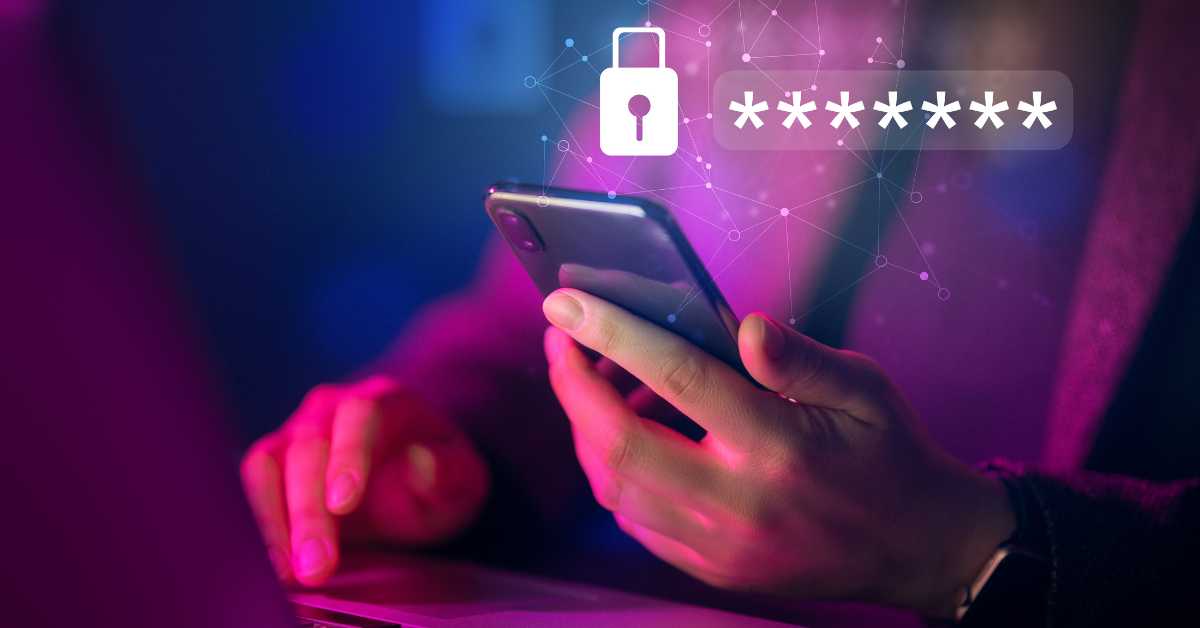
Robust cybersecurity measures are paramount in safeguarding credit card information from escalating threats in the digital age. These measures encompass a multifaceted approach, incorporating technological advancements, evolving fraud detection methods, and a heightened awareness of emerging cyber risks. Modern financial institutions are continually adapting to new technologies and threats, recognizing the dynamic nature of cybersecurity.
Effective credit card security relies heavily on proactive measures, from sophisticated encryption techniques to advanced fraud detection systems. This necessitates a comprehensive understanding of emerging trends, coupled with a commitment to continuous improvement in security protocols. A strong defense against cybercrime requires a combination of technical expertise, vigilance, and a commitment to staying abreast of evolving threats.
Role of Cybersecurity Measures in Credit Card Security
Cybersecurity measures play a critical role in mitigating the risks associated with credit card fraud. These measures encompass a range of strategies, including encryption of sensitive data, multi-factor authentication, and robust security protocols for online transactions. The implementation of strong security measures significantly reduces the likelihood of unauthorized access to credit card information, thereby protecting consumers and financial institutions.
Emerging Trends in Credit Card Security
Emerging trends in credit card security encompass a shift towards more sophisticated and adaptive approaches to fraud prevention. This involves leveraging artificial intelligence (AI) and machine learning (ML) to detect and respond to evolving threats in real-time. Biometric authentication methods are also gaining prominence, offering an extra layer of security beyond traditional passwords. These evolving trends reflect a proactive approach to cybersecurity, addressing the ever-changing landscape of cyber threats.
Impact of New Technologies on Credit Card Security
New technologies, such as cloud computing and mobile payments, have significantly impacted credit card security. While these advancements offer convenience and efficiency, they also introduce new vulnerabilities that must be addressed through enhanced security measures. Financial institutions must continually adapt and refine their security protocols to ensure that these new technologies are used securely and do not compromise the safety of sensitive credit card data.
AI and Machine Learning in Fraud Detection
Artificial intelligence (AI) and machine learning (ML) are increasingly employed to detect fraudulent activities in credit card transactions. AI algorithms can analyze vast amounts of data to identify patterns and anomalies indicative of fraudulent behavior. Machine learning models can learn from historical data and adapt to new types of fraud, enhancing the accuracy and efficiency of fraud detection systems. This technology allows for real-time detection of suspicious activities, minimizing potential financial losses for consumers and institutions.
Current Cybersecurity Trends and Their Implications
| Cybersecurity Trend | Implications for Credit Card Security |
|---|---|
| Increased sophistication of cyberattacks | Requires stronger encryption methods, more advanced fraud detection systems, and real-time monitoring to identify and mitigate threats. |
| Rise of mobile payments | Requires robust security protocols for mobile transactions, including secure payment gateways and strong authentication measures. |
| Growing use of cloud computing | Requires secure cloud storage and transmission of sensitive credit card data, along with access control and encryption protocols. |
| Rise of AI-powered fraud detection | Enhances the ability to detect complex and evolving fraudulent patterns, providing real-time alerts and automated responses. |
Outcome Summary
In conclusion, protecting your credit card information demands a proactive and comprehensive approach. By understanding the various security measures, authentication methods, and fraud prevention techniques discussed in this guide, you can significantly reduce your risk of becoming a victim of financial crime. Remember, vigilance and awareness are key components of responsible credit card usage in the digital age.
Key Questions Answered
What are some common types of credit card fraud?
Common credit card fraud methods include phishing scams, identity theft, and stolen credit card information. Often, these methods involve social engineering tactics to trick you into revealing your sensitive data.
How can I spot a fraudulent transaction on my statement?
Look for unusual or unexpected transactions, particularly large purchases or transactions in locations you haven’t visited. If you notice anything suspicious, contact your credit card issuer immediately.
What should I do if I suspect my credit card information has been compromised?
Immediately contact your credit card issuer to report the suspected compromise. Closely monitor your accounts for any unauthorized activity and consider placing a fraud alert on your credit reports.
What is the role of encryption in credit card security?
Encryption transforms sensitive data into an unreadable format, making it virtually impossible for unauthorized parties to access it. This is a critical security measure in protecting credit card information during transmission and storage.
Robust security measures are crucial for protecting your credit card information. While exploring credit card rewards programs, like those detailed in the credit card rewards programs best options guide, it’s important to remember that strong security protocols are equally vital. Ultimately, responsible card use, including cautious online activity, remains paramount for safeguarding your financial details.