
Credit card promo comparison for different banks is crucial for savvy consumers. Different banks offer enticing promotions, but understanding the fine print is key to securing the best deal. This guide delves into various promotions, from introductory APRs to bonus rewards, examining how to navigate the complexities and choose the perfect card for your financial needs.
We’ll compare offers from major banks, analyzing APRs, rewards structures, and fees. The evaluation process also considers terms and conditions, hidden clauses, and potential pitfalls to avoid. By understanding different rewards programs and their redemption policies, you’ll learn how to maximize your rewards and leverage them for your financial goals.
Introduction to Credit Card Promotions
Credit card promotions are designed to attract new customers and retain existing ones. These offers often include enticing incentives to encourage spending and build loyalty. They play a significant role in the competitive credit card market, influencing consumer choices and shaping the financial landscape.
Promotional offers are a crucial aspect of the credit card industry. They encompass a variety of benefits, from low introductory interest rates to attractive rewards programs. Understanding these promotions is key to making informed financial decisions and maximizing the value of credit card usage.
Different Types of Credit Card Promotions
Various types of promotions cater to different consumer preferences. Introductory APR offers, a common type, provide a reduced interest rate for a set period, typically during the first year or two. This can significantly impact the cost of borrowing. Bonus rewards programs often grant extra points, miles, or cash back on purchases, encouraging increased spending. Cashback programs reward consumers with a percentage of their spending returned as cash, while travel rewards offer points or miles redeemable for flights and accommodations.
Factors Influencing Credit Card Promotional Offers
Several factors shape the design and nature of credit card promotions. Creditworthiness is a major factor; issuers assess applicants’ credit history, income, and debt levels to determine the risk associated with issuing a card. Stronger credit profiles often qualify for more attractive offers. Market trends, such as increasing consumer demand for rewards or a particular travel program, also play a role in shaping promotional strategies. Competition among issuers drives the creation of increasingly enticing offers to attract and retain customers. Issuers must balance the attractiveness of promotions with the financial viability of the card program.
History of Credit Card Promotions
Credit card promotions have evolved significantly since their inception. Early promotions focused primarily on introductory APRs, aiming to entice consumers into using the new credit product. As the market matured, promotions expanded to include a wider array of benefits like rewards programs and cashback. The increasing use of technology and data analysis has allowed issuers to tailor promotions to specific consumer segments, creating a more personalized and targeted approach. The advent of mobile banking has also facilitated more dynamic promotions, such as those based on real-time spending patterns.
Key Features of Various Credit Card Types
Understanding the different features of various credit card types is essential for selecting the most suitable card. The table below provides a comparison of key features.
| Card Type | APR | Rewards | Fees |
|---|---|---|---|
| Introductory APR Card | Low introductory APR (e.g., 0% for 12 months) | May offer bonus rewards | Annual fee may apply |
| Cashback Card | Standard APR | Cashback percentage on purchases | Annual fee may apply, depending on the card |
| Rewards Card | Standard APR | Points or miles redeemable for rewards | Annual fee may apply, varying by program |
| Travel Card | Standard APR | Points or miles redeemable for travel | Annual fee may apply |
Comparing Different Bank Promotions
A crucial aspect of choosing a credit card is understanding the various promotional offers available from different banks. This comparison highlights key distinctions, allowing consumers to make informed decisions based on their specific needs and financial goals. Understanding these differences is vital for maximizing the benefits and avoiding potential pitfalls.
Different banks tailor their promotional offers to attract and retain customers. This section delves into the nuances of these promotions, enabling a thorough evaluation of the strengths and weaknesses of each bank’s offerings.
Promotional Offer Variations
Different banks offer a wide array of promotional periods and rewards structures. Understanding these variations is key to finding the best fit for your spending habits.
- 0% APR introductory periods are common, offering a grace period for interest-free purchases. These periods can range from a few months to a year. The longer the period, the greater the potential savings.
- Rewards programs vary significantly. Some programs offer points, miles, or cash back, each with different earning rates and redemption options. Points or miles can be redeemed for travel, merchandise, or statement credits.
- Bonus rewards for new cardholders are common, often including a sign-up bonus for meeting specific spending requirements within a set timeframe. The amount of the bonus and the conditions for earning it vary significantly across banks.
Specific Promotional Examples
Examining specific examples illustrates the range of promotional offers.
- Bank A: Offers a 0% APR introductory period on purchases for 18 months. However, the APR increases to 24.99% afterward. This is a significant advantage for large purchases, but borrowers should be aware of the post-promotional APR.
- Bank B: Features a rewards program that earns 2 points per dollar spent, redeemable for gift cards, travel, or merchandise. This reward structure is more flexible and adaptable to various spending needs. The bonus rewards may not be as high as other banks.
- Bank C: Provides a $200 sign-up bonus for new cardholders who spend $1,000 in the first three months. This incentive can be attractive, but the spending requirement needs to be considered.
Comparative Analysis of Credit Cards
A tabular representation allows a direct comparison of different credit card offers.
| Bank | APR | Rewards | Fees |
|---|---|---|---|
| Bank A | 0% APR for 18 months, then 24.99% | 1 point per $5 spent, redeemable for travel or merchandise | Annual fee: $50 |
| Bank B | 12.99% | 2 points per $1 spent, redeemable for gift cards or travel | Annual fee: None |
| Bank C | 14.99% | Cash back 1% on all purchases | Annual fee: $75 |
Note: APRs and rewards structures may vary depending on individual circumstances and creditworthiness. Fees are examples and may change.
Evaluating Promotional Terms and Conditions
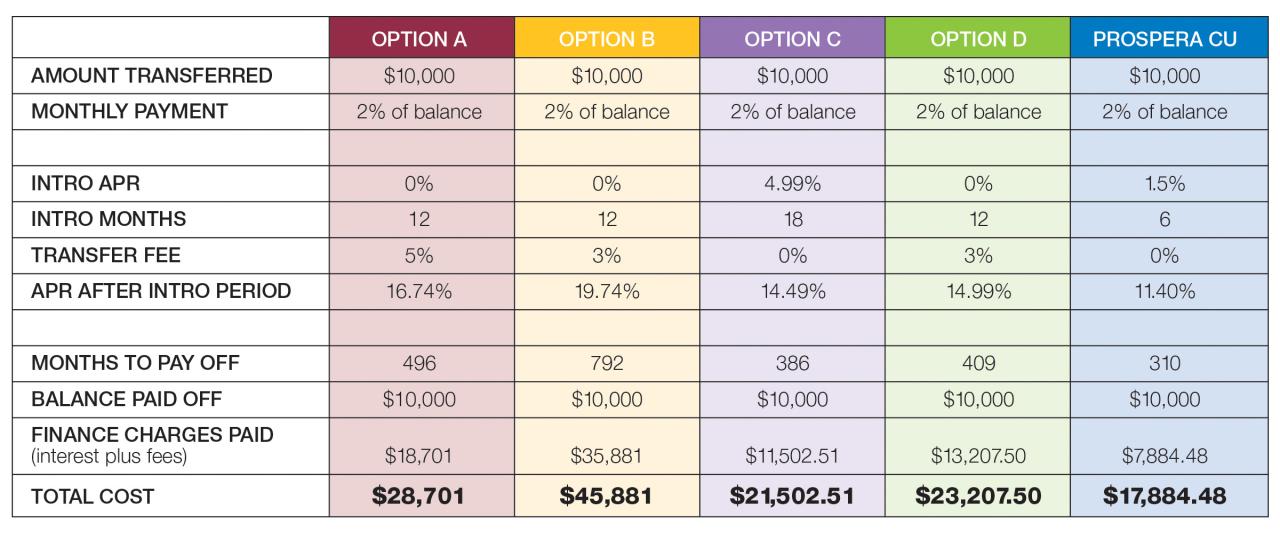
Scrutinizing the fine print of credit card promotions is crucial for making informed decisions. While enticing offers can seem attractive, understanding the associated terms and conditions is vital to avoiding potential financial pitfalls. A seemingly advantageous promotion could easily turn into an unexpected expense if not thoroughly reviewed.
Thorough analysis of the terms and conditions is essential to ensure a credit card promotion aligns with your financial goals and expectations. Understanding the specific language used in the fine print is key to recognizing hidden fees or clauses that could negatively impact your finances. This proactive approach allows you to avoid surprises and make informed choices that benefit you in the long run.
Importance of Reviewing Terms and Conditions
Reviewing the terms and conditions is a fundamental step in assessing the true value of a credit card promotion. This process allows you to identify potential hidden costs or restrictions that might not be immediately apparent. Failing to thoroughly review these details can lead to unexpected charges or limitations on your spending, potentially resulting in higher interest rates or penalties.
Interpreting and Analyzing the Fine Print
Understanding the language used in promotional offers is essential. Pay close attention to specific clauses related to interest rates, annual fees, balance transfer fees, and other potential charges. Look for any limitations or restrictions on rewards programs, such as minimum spending requirements or expiration dates. Also, be wary of ambiguous or complex phrasing, and if necessary, seek clarification from the issuing bank.
Examples of Hidden Fees or Clauses
Hidden fees and clauses can significantly impact the perceived value of a credit card promotion. Examples include balance transfer fees that exceed the advertised rate, annual fees that are not explicitly mentioned, or high interest rates applied after the promotional period expires. These clauses often appear in small print or complex language, requiring careful attention to detail. For instance, a 0% APR promotional period might have a substantial balance transfer fee, rendering the offer less beneficial than it initially appears.
Identifying and Avoiding Potential Pitfalls
To avoid potential pitfalls in promotional offers, carefully scrutinize the details of the offer. Ask questions about any aspects you don’t understand. Compare the terms and conditions of various offers before making a decision. Consider your spending habits and financial situation to determine if the promotion aligns with your needs. If a promotion appears too good to be true, it likely is. A healthy skepticism combined with diligent research is crucial.
Common Terms and Conditions
| Term | Definition | Example | Impact |
|---|---|---|---|
| Annual Fee | A recurring fee charged annually for maintaining the credit card account. | A $50 annual fee for a premium credit card. | Reduces overall benefit; may not be worthwhile for low-spending users. |
| Promotional APR | A lower interest rate offered for a limited time. | 0% APR for the first 6 months on balance transfers. | Potentially attractive for consolidating debt; but higher rates may apply later. |
| Balance Transfer Fee | A fee charged for transferring an existing balance from another card. | 3% balance transfer fee on transfers exceeding $1,000. | Reduces the net benefit of a balance transfer promotion; might not be worth the cost. |
| Minimum Spending Requirement | A specific amount of spending required to earn rewards or other benefits. | $1,000 in purchases within the first three months to qualify for bonus points. | May exclude some users who do not meet the spending threshold. |
Understanding Credit Card Rewards Programs
Choosing a credit card often hinges on its rewards program. Understanding how these programs function and how to maximize their value is crucial for making informed decisions. Different programs offer varying reward structures, redemption options, and spending categories, impacting the overall value proposition. A thorough understanding can lead to significant savings and valuable perks.
Rewards programs offer a wide range of benefits, incentivizing spending and encouraging responsible credit card usage. By carefully considering the program’s features, users can effectively leverage their rewards to achieve financial goals.
Different Types of Rewards Programs
Rewards programs are designed to incentivize spending. These programs come in various forms, including points, miles, and cashback. Points programs are widely used and offer flexibility in redemption. Miles programs are often associated with travel and allow for the accumulation of rewards that can be exchanged for flights or other travel-related expenses. Cashback programs offer a straightforward way to earn a percentage of your spending back as cash. Understanding the specific mechanics of each program is essential to making the most of your rewards.
Maximizing the Value of Rewards Programs
Several strategies can help maximize the value of rewards programs. A key element is understanding the redemption options and their value relative to the spending categories. This requires analyzing the terms and conditions to determine the most profitable use of your rewards. Careful planning and strategy can significantly increase the value of your rewards.
Factors Influencing the Value of Rewards
The value of a rewards program hinges on several factors. Redemption options play a crucial role, as some programs offer greater flexibility and value than others. Spending categories also impact the overall value, as rewards earned in specific categories may have a higher perceived value. Examining the redemption policies of different programs is essential to understanding how rewards can be utilized. The relative value of rewards is contingent on these factors.
Comparing Redemption Policies
Different rewards programs have unique redemption policies. These policies dictate how rewards can be redeemed and their associated value. For instance, some programs may allow for direct redemption as cash back, while others may offer rewards for travel or merchandise. Comparing these policies is critical in evaluating the best rewards program for individual needs.
Redemption Options for Rewards Programs
| Reward Type | Redemption Method | Example | Value |
|---|---|---|---|
| Points | Exchange for travel vouchers, merchandise, or statement credits | Redeeming 10,000 points for a $100 gift card | Variable, depending on the redemption option |
| Miles | Redemption for airfare, hotel stays, or other travel-related services | Using 50,000 miles for a round-trip flight | Variable, depending on the airline and redemption time |
| Cashback | Direct deposit or statement credit | Receiving 2% cashback on groceries | Fixed percentage of spending |
Understanding the nuances of redemption options is key to maximizing the value of rewards. Comparing programs based on their specific redemption methods, the examples given, and the resulting values is critical for making the most informed decision. The table above provides a simplified overview, and the specifics may vary greatly depending on the specific credit card.
Analyzing Spending Habits and Financial Goals
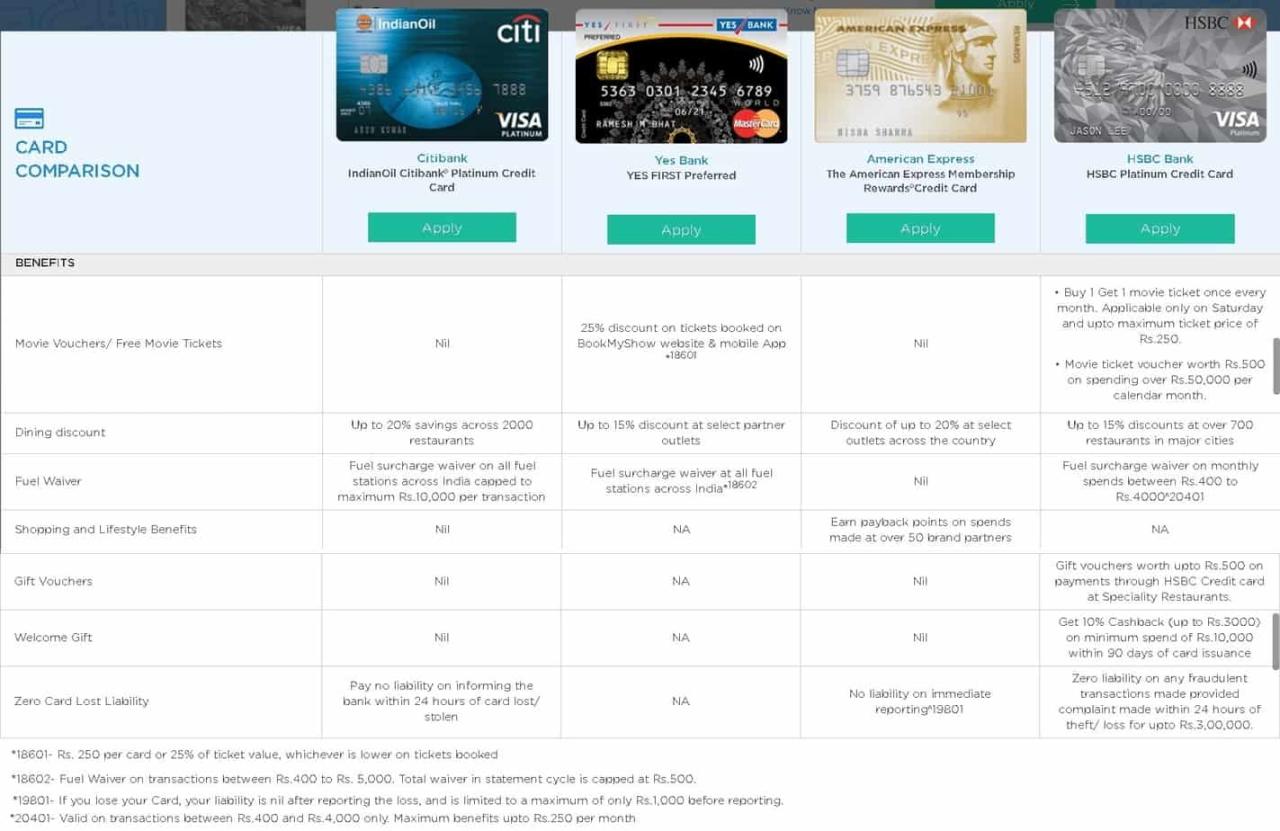
Understanding your spending habits and financial objectives is crucial for selecting the right credit card promotion. A credit card that aligns with your spending patterns and goals will maximize the value of the rewards and minimize potential financial pitfalls. This analysis ensures that you’re not just chasing a tempting promotion but actively using it to achieve your financial aspirations.
A well-chosen credit card can significantly boost your financial well-being. By understanding your spending habits and linking them to suitable card features, you can leverage rewards, minimize interest charges, and build a healthier financial future.
Determining the Best Credit Card for Specific Spending Patterns
A tailored approach to credit card selection considers various spending patterns. Different individuals have diverse spending needs and priorities. Some prioritize travel, others focus on everyday expenses, and some value cash back. Recognizing these patterns is key to matching your spending habits with the appropriate card.
Examples of Different Spending Habits and Suitable Credit Cards
- Frequent Traveler: Individuals who frequently travel benefit from cards offering significant travel rewards, such as points or miles. These cards often provide bonus points for flights and hotel stays. Examples include cards with generous airline or hotel partner programs, which enable them to accrue travel rewards efficiently.
- Everyday Expenses: For those with a focus on everyday expenses, cards offering cash back or rewards on everyday purchases are suitable. These cards often provide a straightforward and tangible return on everyday spending. Example: A card with 1% cash back on all purchases.
- High-Value Purchases: High-value purchase needs might require cards with a lower interest rate, or with promotional periods for zero APR (Annual Percentage Rate). These cards allow flexibility for large purchases without accruing excessive interest. Example: A card with a generous introductory APR period.
- Students: Students often benefit from cards that provide tools for budgeting and tracking spending. A student credit card with a low or no-fee structure, often with a specific focus on responsible financial management, can help manage spending while developing financial habits.
Choosing a Card That Best Suits Your Lifestyle and Financial Goals
The ideal credit card aligns seamlessly with your lifestyle and financial goals. Consider factors like your spending habits, desired rewards, and long-term financial objectives. Prioritize cards that reward your spending patterns and minimize potential drawbacks.
Table: Credit Card Suitability for Various Spending Habits
| Spending Habit | Card Type | Benefits | Limitations |
|---|---|---|---|
| Frequent Traveler | Travel Rewards Card | Earn points or miles on flights and hotels | May not offer significant rewards on everyday purchases |
| Everyday Expenses | Cash Back Card | Earn cash back on all purchases | May have lower reward rates on specific categories |
| High-Value Purchases | Balance Transfer Card | Zero or low APR introductory period | Higher interest rates after the introductory period |
| Student | Student Credit Card | Lower interest rates, budgeting tools | May have lower credit limits |
Illustrative Case Studies

Navigating the world of credit card promotions requires understanding both the potential rewards and the pitfalls. Real-world examples illuminate how these promotions can positively or negatively impact financial well-being. These case studies demonstrate how careful consideration and strategic application can translate into substantial financial gains, while poor choices can lead to unnecessary debt or missed opportunities.
Understanding the diverse outcomes of credit card promotions is crucial. Analyzing successful and unsuccessful strategies reveals key factors that influence the effectiveness of these offers. This section provides illustrative examples to help consumers make informed decisions.
Consumer Benefits from Strategic Credit Card Use, Credit card promo comparison for different banks
Strategic use of credit card promotions can lead to significant financial advantages. A young professional, Sarah, leveraged a 0% APR introductory offer on a balance transfer card to consolidate high-interest debt. This allowed her to significantly reduce her monthly payments and save money on interest charges. By diligently paying off the balance within the promotional period, she avoided accumulating further debt and improved her credit score.
Potential Drawbacks of Impulsive Credit Card Decisions
Conversely, impulsive decisions can lead to detrimental outcomes. Consider Mark, who opted for a card with a high sign-up bonus but high annual fees. While the bonus was attractive, the high annual fees, combined with his spending habits, resulted in a net loss. He found himself stuck with a card that was ultimately not beneficial.
Successful Strategies for Achieving Financial Goals
Many consumers have successfully utilized credit card promotions to achieve financial milestones. One common strategy involves leveraging travel rewards programs to accumulate points for vacations or other travel expenses. By linking spending to desired travel experiences, consumers can achieve their travel goals while accruing rewards.
- Debt Consolidation: Using a balance transfer card with a 0% APR introductory period to consolidate high-interest debt can significantly reduce monthly payments and interest charges, leading to significant savings.
- Travel Rewards: Many credit cards offer travel rewards programs. Strategic use of these programs allows consumers to accumulate points for flights, hotels, or other travel expenses, achieving travel goals while earning rewards.
- Building Credit History: Utilizing credit cards responsibly, including making timely payments, can positively impact credit scores, opening doors to better financial opportunities in the future.
Common Mistakes in Choosing Credit Cards
Consumers often make critical errors in their credit card choices. A significant mistake is neglecting to carefully review the terms and conditions, focusing solely on the sign-up bonus. Failing to understand the annual fees, interest rates, and reward program specifics can result in negative financial consequences.
- Ignoring Annual Fees: Focusing solely on sign-up bonuses and overlooking annual fees can lead to financial losses. Thoroughly evaluating all fees is essential to determine the card’s true cost.
- Unrealistic Spending Expectations: Expecting to maintain high spending habits without considering the long-term financial implications is a common error. Carefully evaluating spending patterns is crucial to avoiding unnecessary debt.
- Failing to Understand Reward Programs: Many consumers fail to fully comprehend the intricacies of credit card reward programs. A lack of understanding can result in missing out on potential benefits.
Benefits for Different Demographics
Credit card promotions offer varying advantages depending on the demographic. For instance, young professionals may benefit from balance transfer cards to consolidate student loan debt, while families may find travel rewards programs advantageous for accumulating points toward family vacations.
- Young Professionals: Balance transfer cards can help young professionals consolidate student loan debt, reducing monthly payments and interest charges.
- Families: Travel rewards programs are particularly useful for families seeking to accumulate points toward family vacations.
- Budget-Conscious Consumers: Rewards programs offering cash back or discounts can be beneficial for those seeking ways to save on everyday expenses.
Leveraging Promotions for Positive Outcomes
Successful utilization of credit card promotions involves careful planning and discipline. By aligning spending habits with promotional offers, consumers can achieve significant financial goals. A key element is understanding the card’s terms and conditions and adhering to a budget.
| Promotion Type | Benefit | Example |
|---|---|---|
| Balance Transfer | Reduce high-interest debt | Consolidate multiple credit cards into one with a 0% APR |
| Travel Rewards | Accumulate points for travel | Earn points for flights, hotels, or rental cars |
| Cash Back | Save on everyday expenses | Receive a percentage of spending back as cash |
Epilogue: Credit Card Promo Comparison For Different Banks
In conclusion, comparing credit card promotions across different banks empowers you to make informed decisions. By carefully analyzing offers, understanding terms and conditions, and aligning promotions with your spending habits and financial goals, you can find the credit card that best suits your needs. Remember, careful evaluation is paramount to reaping the benefits of credit card promotions and avoiding potential pitfalls.
FAQ Overview
What are some common hidden fees in credit card promotions?
Hidden fees can include annual fees, balance transfer fees, foreign transaction fees, and penalty APRs. Always scrutinize the fine print for details.
How can I maximize the value of my credit card rewards?
Maximizing rewards often involves understanding the redemption options and spending categories associated with your chosen rewards program. Strategically using the card for purchases in high-reward categories can significantly increase the value of your rewards.
How do I choose a credit card that aligns with my spending habits?
Consider your spending patterns – are you a frequent traveler, online shopper, or do you prefer in-store purchases? Choose a card with rewards programs and categories that match your spending habits to get the best return.
What are the potential pitfalls to avoid when choosing a credit card?
Be wary of high-interest rates, hidden fees, and complicated terms and conditions. Thoroughly review all aspects of the credit card before signing up to ensure it aligns with your financial goals.
Comparing credit card promos across banks is key, but digging into specific spending category deals, like those for credit card promo deals for specific spending categories , can really refine your search. Ultimately, a comprehensive comparison of various bank offers remains crucial for finding the best overall credit card promo.