
Credit card interest rates comparison by issuer is crucial for savvy consumers. Understanding how interest rates differ across various issuers empowers you to make informed decisions and optimize your finances. This analysis delves into the intricacies of interest rate structures, comparing APRs, fees, and credit limits to help you find the most suitable card.
Different factors like credit scores, credit history, and income influence interest rates. Comparing across issuers is key to uncovering the best deal. This comprehensive guide provides a framework for evaluating credit card offers, ensuring you secure the lowest possible interest rates and associated costs.
Introduction to Credit Card Interest Rates

Credit card interest rates are the costs you pay for borrowing money when you use your credit card beyond your available credit limit. Understanding these rates is crucial for responsible credit card management and avoiding unnecessary debt. Knowing how they work allows you to make informed decisions about which cards to use and how to best manage your spending.
Interest rates significantly impact the total cost of your credit card purchases. Higher rates lead to greater debt accumulation over time, while lower rates mean you pay less in interest. A clear understanding of these rates will help you navigate the world of credit cards effectively.
Interest Rate Definitions
Credit card interest rates are typically expressed as an Annual Percentage Rate (APR). APR represents the annual cost of borrowing, encompassing interest charges and any fees. Variable interest rates fluctuate based on prevailing market conditions and can change over time, potentially increasing or decreasing. Conversely, fixed interest rates remain constant throughout the card’s term, offering predictability. The calculation method is pivotal in determining the total interest payable.
Interest Rate Calculation
Credit card interest is calculated on the outstanding balance of your credit card. The most common method is the daily balance method, where interest is calculated daily on the outstanding balance. This is typically compounded daily, meaning the interest earned is added to the principal, and the new balance is used for the next day’s calculation.
Example: If your daily balance is $1,000 and the daily interest rate is 0.05%, the daily interest charge is $1,000 * 0.0005 = $0.50.
Factors Influencing Interest Rates
Several factors influence credit card interest rates. Creditworthiness, which is assessed based on credit history and credit score, plays a crucial role. Higher credit scores typically translate to lower interest rates, reflecting a lower risk for the issuer. The card issuer’s risk assessment also includes factors like the card’s credit limit, the applicant’s financial history, and the economic climate. Competition among credit card providers is another key element. Offers of rewards and benefits, along with promotional periods, also play a part.
Interest Rate Types and Descriptions
| Interest Rate Type | Description |
|---|---|
| Annual Percentage Rate (APR) | The annual cost of borrowing, encompassing interest and fees. |
| Variable Interest Rate | Fluctuates based on market conditions, potentially increasing or decreasing. |
| Fixed Interest Rate | Remains constant throughout the card’s term. |
| Daily Balance Method | Interest calculated daily on the outstanding balance, compounded daily. |
Comparison Methodology

Comparing credit card interest rates requires a systematic approach to ensure a fair and comprehensive evaluation. Simply looking at the advertised APR can be misleading, as the complete interest rate structure, including fees, plays a crucial role in the true cost of borrowing. Understanding the methodology behind comparisons allows consumers to make informed decisions.
Methods for Comparing Rates
Different methods exist for comparing credit card interest rates. One common method involves comparing advertised APRs. However, this approach often overlooks crucial details. A more comprehensive approach involves analyzing the entire interest rate structure, including variable rates, introductory periods, and any associated fees. Thorough comparison necessitates evaluating the total cost of borrowing over the life of the card.
Importance of Complete Interest Rate Structure
A crucial aspect of comparing credit card interest rates is understanding the entire interest rate structure. The advertised APR often represents the rate for a specific period, like the first year, and may not accurately reflect the long-term rate. Variable rates, which fluctuate based on market conditions, can lead to substantial increases in interest payments over time. Introductory periods, while tempting, might only apply for a limited time, after which the rate may revert to a higher standard rate. It’s vital to account for all these factors when evaluating the true cost of borrowing.
Importance of APR and Fees
Annual Percentage Rate (APR) is a fundamental metric in comparing credit cards. APR represents the annual interest rate charged on the outstanding balance. However, the APR is not the sole determinant of the total cost. Various fees, such as annual fees, late payment fees, balance transfer fees, and cash advance fees, significantly impact the overall cost of borrowing. These fees should be factored into the comparison to determine the true cost.
Significance of Comparing Across Issuers
Comparing interest rates across different issuers is vital for maximizing savings. Different institutions offer varying interest rates and fee structures. A comparison across multiple issuers allows consumers to identify the most favorable terms and conditions. Rates can vary significantly between issuers, and a comprehensive comparison can reveal substantial savings.
Examples of Comparing Rates from Different Issuers
To illustrate the importance of comparing across issuers, consider these examples:
- Issuer A offers an APR of 18% with a $0 annual fee and no balance transfer fees.
- Issuer B offers an APR of 15% but charges a $50 annual fee and a 3% balance transfer fee.
Without considering the annual fee and balance transfer fee, Issuer B appears more favorable, but the $50 annual fee and 3% transfer fee on balances may outweigh the lower APR. Thus, comparing the total cost of borrowing is critical.
Comparison Table
The table below illustrates a comparison of credit card interest rates from different issuers. It highlights the importance of considering APR, fees, and credit limits.
| Issuer | APR | Fees | Credit Limit |
|---|---|---|---|
| Issuer A | 17.99% | $0 annual fee, no balance transfer fee | $5,000 |
| Issuer B | 15.99% | $35 annual fee, 3% balance transfer fee | $7,000 |
| Issuer C | 19.99% | $0 annual fee, no balance transfer fee | $3,000 |
Note that this is a simplified example, and a complete comparison would require a more detailed analysis of all fees and terms and conditions. Factors such as creditworthiness and spending habits will also influence the best card choice.
Factors Affecting Interest Rates
Credit card interest rates are not static; they fluctuate based on a variety of factors. Understanding these factors is crucial for consumers seeking the most favorable terms. These factors are meticulously evaluated by credit card issuers to determine the risk associated with extending credit to a particular applicant.
Credit card interest rates are dynamic and influenced by numerous elements. The interplay of these factors results in a personalized interest rate for each applicant, reflecting their creditworthiness and the risk assessment made by the issuing bank.
Credit Score Impact
Credit scores are a significant determinant of credit card interest rates. A higher credit score generally translates to a lower interest rate. This is because a higher score indicates a lower risk of default. Lenders perceive individuals with strong credit histories as more reliable in repaying their debts. Credit scores reflect a comprehensive evaluation of an individual’s creditworthiness, considering factors like payment history, credit utilization, length of credit history, and new credit.
Credit History Role
Credit history, encompassing the entire record of borrowing and repayment, significantly impacts interest rates. A consistent history of timely payments and responsible credit management is highly valued by lenders, leading to lower interest rates. Conversely, a history of missed payments or high credit utilization can result in higher interest rates. Lenders carefully scrutinize the applicant’s payment history, credit utilization, and the length of their credit history to assess their credit risk.
Income and Spending Habits
An applicant’s income and spending habits also play a role in determining interest rates. Lenders assess the applicant’s ability to repay the loan. Applicants with higher incomes and demonstrably responsible spending habits are often granted lower interest rates. Income verification and credit utilization analysis help determine an applicant’s ability to handle the financial obligation of a credit card.
Examples of Credit Scores and Rates
- A credit score of 700-750 typically results in a prime rate or slightly above, corresponding to lower interest rates.
- A score of 650-699 might lead to a slightly higher interest rate than prime, but still potentially favorable.
- Scores below 650 often result in higher interest rates as lenders perceive a greater risk.
Credit Card Usage Influence
Credit card usage, or credit utilization, is another crucial factor. High credit utilization (using a significant portion of available credit) suggests a higher risk of default. Lenders consider the ratio of credit used to the total available credit limit. Lower utilization ratios often lead to lower interest rates. Responsible use of available credit demonstrates a responsible financial approach to the lender.
Interest Rate Comparison Table
| Credit Score Range | Estimated Interest Rate (APR) | Description | Risk Assessment |
|---|---|---|---|
| 700-850 | 12-18% | Excellent credit, minimal risk. | Low |
| 650-699 | 15-22% | Good credit, moderate risk. | Medium |
| 600-649 | 18-25% | Fair credit, higher risk. | High |
| Below 600 | 25%+ | Poor credit, very high risk. | Very High |
Note: Interest rates are estimates and may vary based on other factors such as the specific credit card issuer and promotional offers.
Comparing credit card interest rates by issuer is crucial, but also consider the rewards programs. Different issuers offer varying rewards programs, some better than others, which can significantly impact your overall financial benefit. For a detailed look at the best credit card rewards programs, check out this resource: credit card rewards programs best options. Ultimately, a comprehensive approach involves evaluating both interest rates and rewards to make the optimal choice for your spending habits.
Issuer-Specific Interest Rate Variations
Credit card interest rates aren’t a one-size-fits-all scenario. Different issuers employ various strategies and policies that directly impact the rates they offer. Understanding these issuer-specific variations is crucial for consumers seeking the most favorable terms. These differences stem from a complex interplay of factors, which we will delve into.
Different credit card issuers establish their interest rates based on a variety of internal factors. These internal factors are often influenced by external economic conditions and competitive pressures.
Issuer Policies Affecting Interest Rates
Issuer policies significantly influence interest rates. These policies encompass a wide range of factors, including risk assessment models, profit margins, and the overall competitive landscape. For example, a policy focused on attracting a specific type of customer (e.g., young professionals) might lead to lower introductory rates. Conversely, a policy prioritizing higher profit margins might result in higher rates for applicants with lower credit scores.
Factors Differentiating Interest Rates Between Issuers
Several factors contribute to the variations in interest rates among different credit card issuers. These differentiating factors often involve the issuer’s risk assessment methodology, their pricing strategies, and their competitive position in the market. For example, an issuer might use a more stringent risk assessment model, resulting in higher rates for borrowers perceived as higher risk.
Comparison of Major Issuer Interest Rate Structures
Major credit card issuers exhibit different interest rate structures. These structures reflect their specific business models and market strategies. A comparison of these structures helps consumers evaluate the relative value proposition of each issuer. While some issuers might emphasize rewards programs and low introductory rates, others might prioritize higher annual fees in exchange for better benefits or higher credit limits.
Examples of Issuer Policies Impacting Rates
Issuer policies directly affect interest rates. A card issuer that prioritizes attracting new customers might offer very low introductory rates for a set period. Another issuer might use a more complex credit scoring system that considers factors beyond just credit history, leading to variations in interest rates for applicants with similar credit profiles. An issuer focused on a specific customer segment, like students, might have policies designed to lower rates for that segment.
Comparison Table: Two Issuer Interest Rates
| Issuer | APR (Prime + 10%) | Annual Fee | Rewards Program |
|---|---|---|---|
| Issuer A | 18.9% | $0 | Cash back, 1% on all purchases |
| Issuer B | 17.5% | $50 | Points, 2% on travel |
This table showcases a simplified comparison of two issuers. Note that APRs and fees can fluctuate. The table highlights how annual fees and rewards programs can compensate for differences in APRs. The key takeaway is that a lower APR might be offset by a higher annual fee or less appealing rewards program.
Practical Tips for Consumers
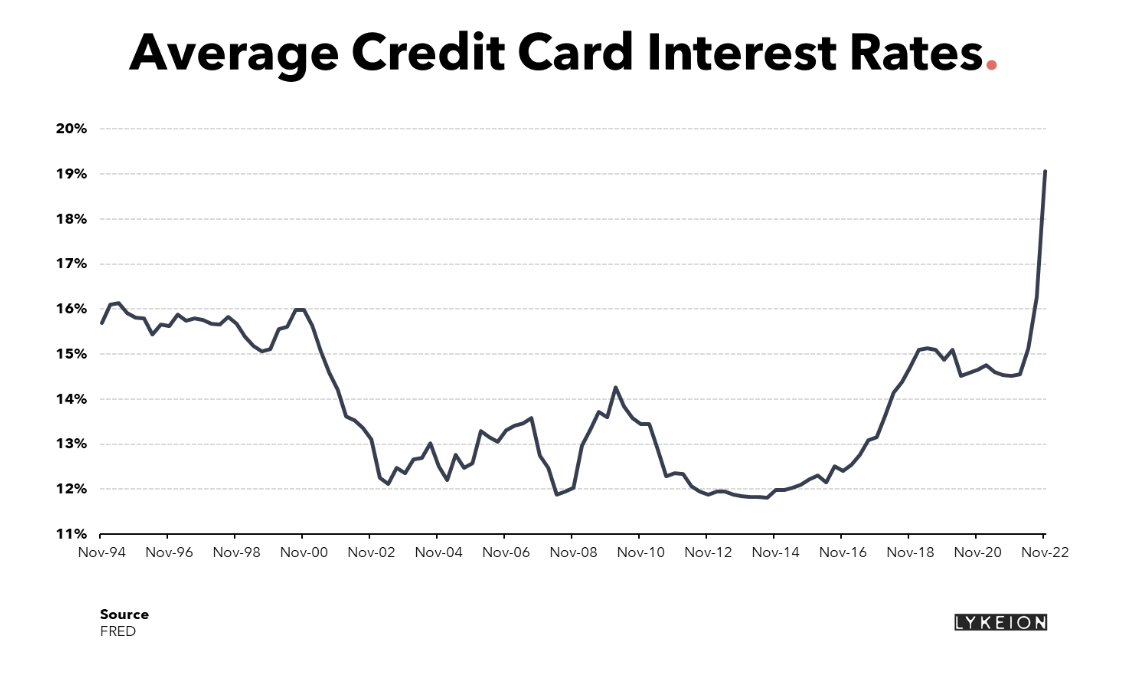
Understanding credit card interest rates is crucial for responsible financial management. A low interest rate translates to lower borrowing costs, allowing you to pay off your balance more quickly and save money over time. Knowing how to compare these rates effectively empowers consumers to make informed decisions about their credit card choices.
Reading the Fine Print
Credit card agreements often contain hidden fees and terms that can significantly impact the overall cost of borrowing. Thoroughly reviewing the fine print is paramount. Look for details on annual percentage rates (APRs), introductory rates, and any potential changes to the interest rate after the promotional period expires. Scrutinize the fee schedule for late payment fees, over-limit fees, and foreign transaction fees. Understanding these details prevents unpleasant surprises down the road.
Comparing the Total Cost of Borrowing
Focusing solely on the interest rate isn’t enough. Consider the total cost of borrowing, encompassing all fees and potential changes to the interest rate. Compare the APRs, but also scrutinize annual fees, late payment penalties, and any other charges. Calculate the overall cost of borrowing over a specified period to truly evaluate the deal.
Understanding Different Types of Fees
Credit cards often come with various fees. Annual fees are charged annually, while late payment fees are assessed if payments aren’t made on time. Over-limit fees are levied when your spending exceeds your credit limit. Foreign transaction fees apply when using your card internationally. Knowing which fees are associated with a particular card is crucial for accurate comparisons. These fees are often detailed in the fine print of the credit card agreement.
Key Factors to Consider When Choosing a Credit Card
Selecting the right credit card involves considering several key factors. A card with a low introductory APR might be attractive, but look beyond the introductory period. Consider the annual fee, rewards program, and available credit limit. A card that offers cash back, travel points, or other rewards can offset the interest costs over time. Other factors include the payment options available, customer service ratings, and the card issuer’s reputation.
- Interest Rate: Compare APRs, ensuring you understand the difference between the introductory rate and the standard rate after the promotional period expires.
- Annual Fee: Determine if an annual fee applies and whether it’s worth the potential benefits the card offers.
- Credit Limit: Assess the credit limit to ensure it aligns with your spending habits and borrowing needs.
- Rewards Program: If rewards are a priority, compare the value and types of rewards offered by different cards.
- Customer Service: Consider the card issuer’s reputation for customer service, which can be helpful if issues arise.
Comparing Interest Rates Across Multiple Issuers
To compare interest rates across multiple issuers, collect information from different card providers. Create a table to organize the data, including the card issuer, APR, annual fee, rewards program, and other relevant details. Compare the total cost of borrowing for each card, taking into account the introductory period and any potential changes to the interest rate. This structured approach ensures a clear understanding of the best option for your financial needs.
| Card Issuer | APR | Annual Fee | Rewards Program | Credit Limit |
|---|---|---|---|---|
| Bank A | 18.99% | $0 | Cashback | $5,000 |
| Bank B | 17.49% | $25 | Miles | $10,000 |
| Bank C | 19.24% | $0 | No Rewards | $7,500 |
Illustrative Examples
Understanding credit card interest rates is crucial for responsible financial management. Knowing how these rates compare across different issuers allows consumers to make informed decisions that minimize financial strain. Illustrative examples provide concrete ways to visualize the impact of varying interest rates on monthly payments and overall borrowing costs.
Detailed Credit Card Interest Rate Comparison
A detailed comparison considers factors like the annual percentage rate (APR), the interest rate structure, and any associated fees. For example, Card A might offer a 15% APR with a $0 annual fee, while Card B could have a 17% APR but a $50 annual fee. A careful analysis of both the interest rate and associated fees is essential to make an accurate comparison. This comprehensive approach avoids overlooking potentially hidden costs.
Hypothetical Scenario Demonstrating Interest Rate Impact
Imagine two consumers, both with $5,000 credit card balances. Consumer 1 has a card with a 16% APR, while Consumer 2 has a card with a 20% APR. Over a year, Consumer 1’s interest charges would be significantly lower than Consumer 2’s. This difference in interest rates directly translates into a substantial difference in the total cost of borrowing.
Comparative Analysis of Interest Rates for Different Credit Card Types
Different credit card types, like secured, balance transfer, and rewards cards, often have varying interest rates. Secured cards, typically having lower credit limits, often come with lower interest rates compared to unsecured cards. Balance transfer cards, designed for consolidating debt, might offer introductory 0% APR periods but often have higher rates after the promotional period ends. Rewards cards often have rates that fall within a range, and these cards may offer additional perks in exchange for potentially higher interest rates.
Influence of Credit Card Features on Interest Rates
Credit card features, like credit limits, payment history, and credit score, can influence interest rates. A higher credit limit might lead to a slightly higher interest rate, while a consistent history of on-time payments can result in a lower interest rate. The applicant’s credit score plays a critical role in determining the interest rate, with higher scores often correlating with lower rates. This is a common practice across most financial institutions.
Comparative Table of Interest Rates for Different Credit Card Types, Credit card interest rates comparison by issuer
| Credit Card Type | APR (Standard) | APR (Good Credit) | APR (Poor Credit) |
|---|---|---|---|
| Secured Card | 12% | 14% | 16% |
| Rewards Card | 15% | 13% | 17% |
This table provides a snapshot of potential interest rate variations for different credit card types, taking into account varying credit profiles.
Significance of Understanding Interest Rate Impact on Monthly Payments
Understanding the impact of interest rates on monthly payments is paramount for responsible financial planning. A higher interest rate translates directly into a larger monthly payment, making it harder to manage debt and potentially leading to financial strain. By comparing interest rates and associated fees, consumers can choose cards that best fit their financial situations, minimizing the long-term costs of borrowing.
Summary
In conclusion, comparing credit card interest rates by issuer is a vital step in responsible financial management. By understanding the factors that influence rates and utilizing comparison tools, consumers can secure cards with favorable terms. This guide empowers you to navigate the complexities of credit card offers and choose the option that best aligns with your financial needs and goals.
FAQ Compilation: Credit Card Interest Rates Comparison By Issuer
What is the difference between APR and other interest rates on a credit card?
APR (Annual Percentage Rate) is the standard measure for credit card interest rates. Other rates might exist but APR is the most common and reliable metric to compare.
How can I compare credit card interest rates effectively?
Use comparison websites, tools, or spreadsheets to organize data from different issuers, considering APR, fees, and credit limits. Focus on the complete interest rate structure, not just the APR.
What if my credit score is not very high?
Lower credit scores may result in higher interest rates. However, exploring various issuer options and researching credit building strategies can help improve your financial standing over time.
What are the common fees associated with credit cards?
Common fees include annual fees, late payment fees, balance transfer fees, and cash advance fees. Always scrutinize these fees when comparing cards.