
Credit card benefits comparison for different needs is crucial for maximizing rewards and managing finances effectively. Different cards cater to various spending habits and goals, from everyday purchases to large transactions and even international travel. Understanding the specific benefits of each card type is key to making informed decisions.
This comprehensive guide will explore how various credit cards can cater to diverse financial needs. We’ll delve into rewards programs, credit building, large purchases, and specialized cards for students and families. We’ll also examine international travel benefits and debt management strategies.
Introduction to Credit Card Benefits
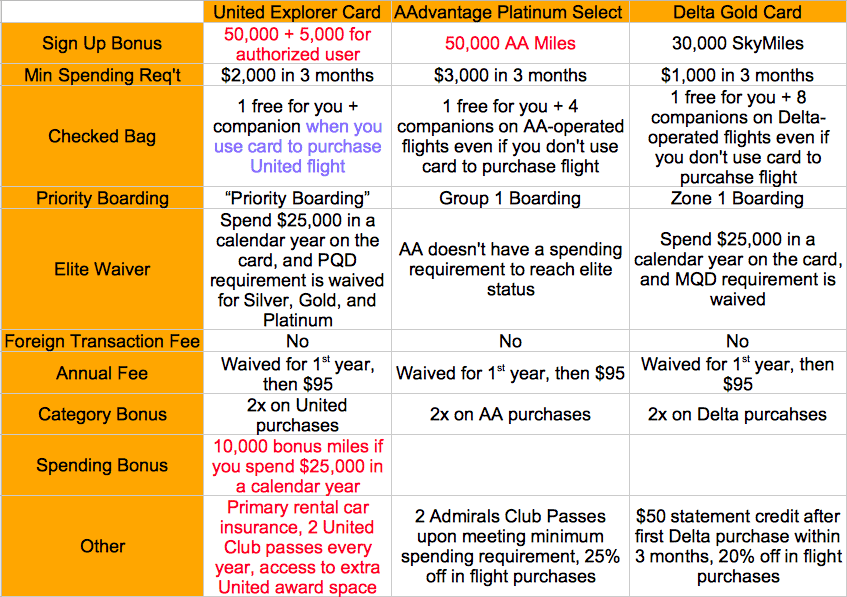
Choosing the right credit card can significantly impact your financial well-being. Different credit cards cater to various needs and preferences, from maximizing rewards to simplifying travel planning. Understanding the diverse benefits associated with each type of card empowers you to make informed decisions and optimize your spending.
Credit cards offer a multitude of benefits, including rewards programs, travel perks, and cashback incentives. These advantages can translate into substantial savings and conveniences, especially when tailored to your specific financial goals. Navigating the landscape of credit card options requires an understanding of the different types of cards available and their respective features.
Different Types of Credit Cards
Various credit card types cater to diverse needs and spending habits. Understanding the distinctions between rewards, travel, cashback, and balance transfer cards is crucial for selecting the most appropriate option.
- Rewards Cards offer points or miles that can be redeemed for various rewards, such as merchandise, travel, or gift cards. These cards often have attractive welcome bonuses and ongoing rewards programs. For example, a rewards card might award 2 points for every dollar spent at gas stations, increasing the value of fuel purchases.
- Travel Cards are designed for frequent travelers. They typically offer travel-related perks, such as travel insurance, airport lounge access, or bonus miles on flights and hotels. For example, a travel card might offer free checked baggage or priority boarding on partner airlines, making travel more convenient.
- Cashback Cards provide a percentage of your spending back as cash. These cards are ideal for those who value simplicity and immediate returns on their purchases. For instance, a cashback card might offer 1% cashback on all purchases, potentially leading to substantial savings over time.
- Balance Transfer Cards are particularly helpful for consolidating high-interest debt. These cards offer a promotional period with a 0% APR on balance transfers, allowing you to pay off existing debt more quickly. For instance, a balance transfer card might allow you to transfer debts from other cards without incurring immediate interest charges for a set period.
Key Features Comparison
A comprehensive comparison of key features can aid in selecting the best credit card for your needs. The table below Artikels the common benefits associated with each card type.
| Card Type | Rewards | Travel Benefits | Cashback | Balance Transfer |
|---|---|---|---|---|
| Rewards | High point earning potential | Limited or no travel benefits | Variable, often lower than cashback cards | Not typically a focus |
| Travel | Variable, potentially lower than rewards cards | Extensive travel benefits | Variable, often lower than cashback cards | Not typically a focus |
| Cashback | Variable, often lower than rewards cards | Limited or no travel benefits | High percentage cashback | Not typically a focus |
| Balance Transfer | Often minimal or no rewards | Limited or no travel benefits | Often minimal or no cashback | 0% APR promotional period for balance transfers |
Benefits for Everyday Spending
Choosing the right credit card for everyday expenses can significantly impact your financial well-being. Understanding the various rewards programs and their value propositions is crucial for optimizing your spending habits and potentially saving money. Different cards cater to various needs, from frequent travelers to those prioritizing cashback rewards. This section explores these diverse options, comparing their potential savings for day-to-day transactions.
Rewards Programs for Everyday Purchases
Rewards programs offer a valuable incentive for everyday spending. By accumulating points or miles, users can earn perks that extend beyond simple discounts, often including travel benefits, merchandise, or statement credits. The value of these programs depends heavily on the spending habits of the individual and the specific rewards structure offered by the card.
Cashback Programs for Optimized Spending
Cashback programs directly translate spending into a percentage return. This straightforward approach allows users to optimize their spending by choosing cards that offer the highest cashback rates on their preferred categories. For example, a card with a high cashback percentage on groceries could be beneficial for individuals who frequently shop for groceries. A card with a high cashback rate on gas could be beneficial for individuals who drive often. By understanding spending patterns, individuals can effectively maximize the value of their cashback rewards.
Travel Cards for Frequent Travelers
Travel cards are particularly advantageous for frequent travelers. These cards often offer valuable perks like points or miles that can be redeemed for flights, hotel stays, or other travel-related expenses. The accumulation of these rewards can offset travel costs, enabling more frequent or luxurious trips. The travel benefits offered by these cards, including free checked baggage, priority boarding, or lounge access, further enhance the value proposition for frequent travelers.
Comparing Potential Savings
Comparing the potential savings across different cards requires careful consideration of various factors. These include spending habits, preferred reward categories, and redemption options. Analyzing the earning rates and redemption processes of different cards allows for a tailored comparison to identify the most suitable option for an individual’s financial situation. The specific cards and their offerings will vary by issuing bank, but comparing cards with similar reward structures can provide a clear picture of the potential savings.
Rewards Program Comparison
| Rewards Program | Earning Rate | Redemption Options |
|---|---|---|
| Cashback on groceries | 2% cashback | Direct cashback on statement |
| Miles for air travel | 1.5 miles per dollar spent | Redemption for flights and other travel-related expenses |
| Points for general purchases | 1 point per dollar spent | Redemption for merchandise, gift cards, or travel |
This table provides a simplified overview of different rewards programs and their corresponding earning rates and redemption options. The specific details and terms of each program should be reviewed carefully on the cardholder’s agreement or with the issuing bank. Different cards may offer various options, making it important to compare them based on individual needs and spending habits.
Benefits for Building Credit
Using credit cards responsibly can significantly impact your credit score, a crucial factor in securing loans, mortgages, and even rental agreements. A strong credit history demonstrates financial responsibility and trustworthiness to lenders. This section will Artikel how responsible credit card use builds credit and the specific advantages of secured cards for those starting their credit journey.
Credit card use, when managed appropriately, plays a vital role in building a strong credit history. Consistent on-time payments demonstrate reliability and responsibility to creditors, which directly influences your credit score. This positive credit history can open doors to better financial opportunities in the future.
Impact of Credit Card Usage on Credit Scores
Credit bureaus, such as Experian, Equifax, and TransUnion, evaluate various factors to determine your credit score. These factors include payment history, amounts owed, length of credit history, new credit, and credit mix. A credit card, used responsibly, contributes positively to each of these categories. Consistent on-time payments demonstrate financial discipline, while maintaining a low credit utilization ratio (the proportion of available credit used) further strengthens your creditworthiness.
Importance of Responsible Credit Card Management
Responsible credit card management is paramount to building and maintaining a healthy credit score. This involves understanding your spending habits, setting realistic budgets, and adhering to repayment schedules. Avoiding late payments, high credit utilization, and unnecessary debt accumulation is essential. A responsible approach not only protects your credit score but also helps you avoid costly interest charges and debt problems.
Benefits of Secured Credit Cards for Establishing Credit
Secured credit cards, which require a security deposit, are particularly beneficial for individuals with limited or no credit history. The deposit acts as a guarantee to the issuer, allowing them to extend credit. Using a secured card responsibly, and making timely payments, helps build a credit history, which, in turn, can lead to greater financial opportunities in the future. The advantage is that even if you’re new to credit, you can establish a track record of on-time payments, which are a cornerstone of a good credit score.
Consistent On-Time Payments and Credit Score Improvement
Maintaining a consistent track record of on-time payments is a cornerstone of building a good credit score. Every on-time payment contributes positively to your credit history. Lenders view consistent punctuality as a sign of financial reliability and responsibility, positively impacting your creditworthiness. Missed or late payments, conversely, can significantly damage your credit score and make it more challenging to obtain credit in the future.
Advantages and Disadvantages of Different Credit Building Strategies
Several strategies can be used to build credit. Each approach has its own set of advantages and disadvantages. For instance, secured credit cards offer a lower barrier to entry for building credit, but they might have higher interest rates than traditional credit cards. Alternatively, using a credit card responsibly with existing credit lines, while more challenging, can lead to a stronger credit profile.
Comparison of Secured Credit Card Options
| Feature | Option A | Option B | Option C |
|---|---|---|---|
| Annual Fee | $0 | $25 | $50 |
| Interest Rate (APR) | 18.99% | 15.99% | 19.99% |
| Credit Limit | $300 | $500 | $1000 |
| Security Deposit Required | $300 | $500 | $1000 |
| Rewards Program | No | No | Points |
This table provides a simplified comparison of three hypothetical secured credit card options. Consider the specific terms and conditions offered by each card issuer before making a decision. Compare features, interest rates, and credit limits to choose the card best suited to your needs.
Benefits for Large Purchases
Navigating large purchases, such as home appliances, furniture, or even a vehicle, often necessitates the use of credit cards. Understanding the associated benefits can help maximize value and minimize financial strain. This section delves into the advantages of balance transfer cards, promotional offers, zero-interest periods, and the crucial role of APR in repayment strategies.
Large purchases frequently involve significant sums, making responsible credit card utilization paramount. Strategies for optimizing these transactions are crucial for avoiding high-interest debt and maximizing potential savings.
Balance Transfer Cards for High-Interest Debt
Balance transfer cards offer a powerful tool for consolidating high-interest debt. By transferring balances from existing credit cards with high APRs to a balance transfer card with a promotional zero-interest period, consumers can potentially save substantial amounts in interest charges. This strategy is most effective when the promotional period is longer than the expected repayment time.
Promotional Offers for Large Purchases
Various promotional offers accompany large purchase credit cards. These offers often include cashback rewards, points accumulation, or bonus miles. Analyzing the specific terms and conditions of these offers is vital to determine their actual value. Understanding the earning rate, the expiry dates, and the redemption policies is key to ensuring these offers align with your needs and expectations.
Zero-Interest Periods for Significant Transactions
Zero-interest periods on credit cards can be highly beneficial for large purchases. These periods allow consumers to make their payments without incurring interest charges for a specific timeframe. Carefully scrutinize the terms of the zero-interest period, including the minimum payment requirement, as well as the duration and any subsequent APRs after the promotional period ends.
Impact of APR on Repayment
The Annual Percentage Rate (APR) significantly impacts repayment schedules for large purchases. A higher APR results in a greater total interest amount paid over time. Understanding the APR, along with the length of the zero-interest period and any subsequent APRs, is essential for planning repayment strategies. A lower APR allows for a more manageable repayment schedule and reduced overall costs.
APR = (annual interest rate/number of billing cycles per year)
Strategies for Optimizing Large Purchases with Credit Cards, Credit card benefits comparison for different needs
Careful planning and execution are key to maximizing the benefits of credit cards for large purchases. First, evaluate your spending habits and the projected repayment timeframe. Second, research and compare various credit cards offering suitable promotional periods and balance transfer options. Third, make sure to adhere to the repayment terms and conditions to avoid unnecessary interest charges. Lastly, consider the potential implications of accruing new debt if repayment is not done within the promotional period.
Comparison of Balance Transfer Options
| Card Name | Transfer Fee | Zero-Interest Period (Months) | APR After Promotion (Annual Percentage Rate) |
|---|---|---|---|
| Card A | 3% of transfer amount | 18 | 19.99% |
| Card B | No fee | 12 | 24.99% |
| Card C | 1% of transfer amount | 24 | 17.99% |
Note: Transfer fees and APRs can vary based on creditworthiness and terms. Always review the specific terms and conditions of each card.
Benefits for Specific Needs (e.g., Students, Families)

Credit cards are not just for general spending; they can be tailored to specific needs, like those of students and families. Understanding the nuances of these cards can help manage finances effectively and responsibly. This section explores the advantages and potential pitfalls of credit cards designed for students and families.
Students and families often have unique financial situations, and credit cards can be valuable tools when used wisely. Careful selection and responsible use are crucial to maximize benefits and avoid potential issues.
Student Credit Cards: Budgeting and Responsible Spending
Student credit cards can be helpful tools for developing good spending habits and managing finances. They allow students to build credit responsibly, learn about budgeting, and avoid overspending. This can help in the future when applying for larger loans or mortgages. These cards typically offer lower credit limits, which can encourage more mindful spending. The key is to utilize the card for purchases you can afford and pay the balance in full each month to avoid interest charges.
Family Credit Cards: Joint Expenses and Budgeting
Family credit cards can be valuable for managing shared expenses. They provide a centralized point for tracking and paying bills, streamlining budgeting for a household. This can be especially useful for families with children or shared accounts, simplifying the process of paying rent, utilities, or other recurring costs. The key is to ensure all family members understand and agree on the card’s usage and repayment terms.
Potential Pitfalls for Student and Family Credit Cards
While student and family credit cards can be beneficial, potential pitfalls exist. Students might be tempted to overspend due to the convenience of using a credit card. Similarly, family members might not be aware of each other’s spending habits. This can lead to conflicts or financial strain. It is crucial to establish clear guidelines and responsibilities for card usage within the family. Understanding the interest rates and fees associated with the card is also essential to avoid financial penalties.
Different Cards for Different Spending Patterns
Different credit cards cater to different spending patterns. For students, cards with rewards for everyday purchases might be more attractive. For families, cards with no annual fees or low interest rates could be preferable. Consider the spending habits of the individual or family when selecting a card. It is important to understand what the card offers and how it can fit the individual needs.
Simplifying Family Budgeting with Credit Cards
Credit cards can simplify family budgeting by consolidating payments for various expenses. Tracking expenses through online banking or budgeting apps associated with the card can be helpful for families. This centralized view of transactions allows for more effective monitoring and control of spending, enabling better budget management. For example, a family could use one card for all household expenses, paying the balance in full each month to avoid interest charges.
Student and Family Credit Card Comparison Table
| Feature | Student Credit Card | Family Credit Card |
|---|---|---|
| Credit Limit | Typically lower | Can be higher, depending on creditworthiness |
| Rewards | Often focused on everyday purchases | May offer rewards for family-related spending |
| Fees | Potentially lower annual fees | Potentially lower annual fees or bundled benefits |
| Purpose | Developing responsible spending habits, building credit | Managing joint expenses, simplifying budgeting |
Benefits for International Travel
Navigating international travel can be complicated, especially when considering currency exchange rates and potential fees. Travel credit cards can significantly simplify this process, offering advantages for transactions in foreign countries. Understanding the nuances of these cards, including foreign transaction fees and specific policies, is crucial for maximizing the value of your travel spending.
Advantages of Travel Credit Cards for International Transactions
Travel credit cards often provide benefits tailored to international travel. These include lower foreign transaction fees compared to other cards, or even the elimination of them altogether. Some cards also offer competitive exchange rates, which can help you save money when converting currencies. Furthermore, many travel cards provide valuable rewards programs that can be redeemed for travel-related expenses like flights, hotels, or activities. These benefits can translate into significant savings and a more enjoyable international travel experience.
Importance of Foreign Transaction Fees and Their Impact
Foreign transaction fees are charges levied by credit card companies for processing transactions in a currency other than the card’s issuing country. These fees can significantly impact the cost of international purchases, especially when traveling extensively. Understanding the fee structure of different cards is crucial to avoiding unnecessary expenses. For example, a 3% foreign transaction fee on a $1,000 purchase could add $30 to the overall cost. This underscores the importance of choosing a card with favorable international transaction policies.
Comparison of Different Travel Cards and Their International Transaction Policies
Various travel credit cards offer different international transaction policies. Some cards waive foreign transaction fees entirely, while others impose a percentage-based fee. A comprehensive comparison should consider the fee structure, the associated exchange rates, and the overall rewards program. Crucially, look for cards with clear and transparent policies regarding international transactions, as these details can greatly influence your financial planning.
Examples of Using Travel Cards to Maximize Rewards for International Trips
Travel cards often integrate reward programs that can be leveraged for maximum benefit during international travel. For example, some cards offer bonus points or miles on specific travel purchases, such as flights or hotels booked through their travel portal. Strategic use of these programs, coupled with understanding the specific terms and conditions, can significantly enhance the value of your international trips. A savvy traveler might book flights and hotels using their travel card to accumulate rewards that can be redeemed for future travel expenses.
Strategies to Manage Currency Exchange Rates with Credit Cards
Managing currency exchange rates when using credit cards internationally is crucial. Choosing a card with a favorable exchange rate can save you money on conversions. Also, using a card with no foreign transaction fees can further minimize expenses. Furthermore, taking advantage of any travel portal or specific deals on your card can lead to additional savings. Utilizing online currency converters to compare rates can help you make informed decisions.
Table of Different Travel Cards and Their International Transaction Fee Policies
| Card Name | Foreign Transaction Fee | Exchange Rate | Rewards Program |
|---|---|---|---|
| Card A | 0% | Competitive | Points redeemable for travel |
| Card B | 3% | Standard | Miles redeemable for flights |
| Card C | 2% | Average | Cash back on travel expenses |
This table provides a basic comparison; specific details vary by card issuer and terms and conditions. Always refer to the official cardholder agreement for precise information.
Managing Credit Card Debt and Avoiding Pitfalls: Credit Card Benefits Comparison For Different Needs
Understanding credit card debt management is crucial for financial well-being. Mismanaging credit card debt can lead to significant financial strain and negatively impact your creditworthiness. This section delves into the importance of responsible credit card usage, focusing on avoiding common pitfalls.
Credit card interest rates are a key factor in managing debt. High interest rates can quickly compound the balance, making it significantly harder to pay off the debt. Understanding the terms of your credit card agreement, including the annual percentage rate (APR), is essential for effective debt management.
Consequences of Accumulating High Credit Card Debt
High credit card debt can lead to several negative consequences. Interest charges accumulate rapidly, making it difficult to pay off the principal balance. This can lead to a cycle of debt, where interest payments become a larger portion of your monthly expenses. Furthermore, the inability to meet minimum payments can negatively affect your credit score, impacting your ability to secure loans or rent an apartment in the future. Examples include difficulty obtaining mortgages, auto loans, or even rental agreements.
Strategies for Paying Off Credit Card Debt Efficiently
Efficiently paying off credit card debt requires a proactive approach. One strategy is the “debt snowball” method, focusing on paying off smaller debts first to gain momentum and motivation. Another effective approach is the “debt avalanche” method, prioritizing debts with the highest interest rates to save money on interest payments over time. Both strategies require consistent effort and discipline.
Importance of Setting Realistic Budgets and Spending Limits
Setting a realistic budget and establishing spending limits are fundamental to responsible credit card usage. A budget helps track income and expenses, allowing you to identify areas where you can reduce spending and allocate funds towards debt repayment. Spending limits on credit cards prevent overspending and help maintain control over your financial situation. Failure to set and adhere to a budget can lead to overspending and accumulating debt faster than expected.
Impact of Late Payments on Credit Scores
Late payments on credit cards have a significant negative impact on credit scores. Credit bureaus track payment history, and late payments signal a potential inability to manage financial obligations responsibly. This can result in a lower credit score, which can make it more difficult to obtain loans or credit in the future. Consistent late payments can significantly damage your creditworthiness, hindering your ability to secure desirable financial products.
Comparing Different Methods for Managing Credit Card Debt
| Method | Description | Pros | Cons |
|---|---|---|---|
| Debt Snowball | Focuses on paying off the smallest debts first to build momentum and motivation. | Increased motivation and sense of accomplishment; potentially faster payoff for smaller debts. | May not save the most money on interest over time; higher interest debts may remain outstanding longer. |
| Debt Avalanche | Prioritizes debts with the highest interest rates to minimize interest paid over time. | Saves the most money on interest; faster payoff on overall debt. | Requires more discipline and may not provide immediate satisfaction from paying off smaller debts first. |
| Balance Transfer | Transferring balances to a card with a 0% APR introductory period. | Potential for saving money on interest during the introductory period; provides a temporary solution. | Requires careful monitoring of the balance transfer agreement; interest can accrue if the balance is not paid off during the promotional period. May incur transfer fees. |
“The key to managing credit card debt is a combination of budgeting, understanding interest rates, and a commitment to consistent repayment.”
Conclusive Thoughts

In conclusion, a careful comparison of credit card benefits tailored to individual needs is essential for optimal financial management. Understanding the diverse offerings allows users to leverage the right card for everyday spending, building credit, large purchases, or specific circumstances like international travel or family budgeting. By evaluating factors like rewards programs, interest rates, and fees, consumers can choose a card that aligns with their financial objectives and promotes responsible spending habits.
Questions Often Asked
What are the most common types of credit cards?
Common types include rewards cards, travel cards, cashback cards, balance transfer cards, and secured cards. Each type offers unique benefits and features.
How do I choose the right credit card for my needs?
Consider your spending habits, financial goals, and desired benefits. Think about how much you travel, your average monthly expenses, and whether you’re focused on building credit or maximizing rewards.
What are the potential drawbacks of using credit cards?
High interest rates and the risk of accumulating debt are potential drawbacks. Responsible spending and timely payments are crucial to avoid these pitfalls.
How can I improve my credit score with credit cards?
Maintaining a good credit utilization ratio, making on-time payments, and keeping your credit card open are key strategies. Avoid applying for numerous cards too frequently.
Comparing credit card benefits for various needs is crucial. Different rewards programs, like those found in credit card rewards programs best options , significantly impact the value proposition. Ultimately, understanding these varied reward structures is key to choosing the best card for your specific spending habits and goals.