
How to file a car insurance claim? Navigating the process of filing a car insurance claim can feel overwhelming, but with a clear understanding of the steps involved, you can ensure a smoother experience. This guide will walk you through the entire process, from reporting the accident to negotiating a fair settlement, empowering you to confidently handle your claim.
Whether you’ve been in a minor fender bender or a more serious collision, filing a car insurance claim can be a complex process. This guide will demystify the steps involved, providing practical advice and tips to help you navigate the process effectively.
Understanding Your Car Insurance Policy
Before you can file a claim, it’s crucial to understand the coverage you have. Your car insurance policy is a contract between you and your insurance company, outlining the terms of your coverage. It’s essential to familiarize yourself with the key components of your policy to ensure you know what’s covered and what’s not.
Types of Coverage
Your car insurance policy typically includes various types of coverage. Each type addresses a specific risk associated with owning and operating a vehicle. Understanding these types of coverage helps you determine what protection you have in different situations.
- Liability Coverage:This coverage protects you financially if you cause an accident that results in injury or damage to others. It covers the other driver’s medical expenses, property damage, and legal fees.
- Collision Coverage:This coverage pays for repairs or replacement of your vehicle if it’s damaged in an accident, regardless of who’s at fault. It covers damage caused by collisions with other vehicles, objects, or even hitting a pothole.
- Comprehensive Coverage:This coverage protects your vehicle against damage caused by non-collision events, such as theft, vandalism, natural disasters, or falling objects. It also covers damage caused by events like hail, fire, or floods.
- Uninsured/Underinsured Motorist Coverage:This coverage protects you if you’re involved in an accident with a driver who doesn’t have insurance or doesn’t have enough coverage to cover your damages. It covers your medical expenses, lost wages, and property damage.
- Personal Injury Protection (PIP):This coverage, often required in some states, pays for your medical expenses and lost wages if you’re injured in an accident, regardless of fault. It can also cover other expenses, such as childcare and household services.
Policy Terms
Several key terms define your car insurance policy. Understanding these terms ensures you know what you’re paying for and what you can expect in case of a claim.
- Deductible:This is the amount you pay out-of-pocket before your insurance coverage kicks in. The higher your deductible, the lower your premium (the amount you pay for your insurance). However, you’ll need to pay more if you file a claim.
- Premium:This is the amount you pay your insurance company for your coverage. The premium is based on various factors, including your driving record, vehicle type, age, location, and coverage level.
- Liability Limits:These limits represent the maximum amount your insurance company will pay for damages caused by you in an accident. For example, a liability limit of $100,000/$300,000 means your insurance company will pay up to $100,000 per person and up to $300,000 per accident for bodily injury and property damage.
Reviewing Your Policy
It’s essential to review your car insurance policy regularly to ensure you understand your coverage and that it still meets your needs. When reviewing your policy, consider the following:
- Coverage Levels:Check the coverage levels for each type of coverage, such as liability limits, deductibles, and comprehensive coverage.
- Exclusions:Pay attention to any exclusions or limitations in your coverage. For example, some policies may exclude certain types of vehicles or activities, or they may have limits on coverage for specific types of damage.
- Policy Changes:Be aware of any recent changes to your policy, such as updates to coverage levels, deductibles, or premiums.
Reporting the Accident
Promptly reporting a car accident to your insurance company is crucial. It initiates the claims process and ensures you receive the necessary support.
Steps Involved in Reporting
Your insurance company will provide specific instructions, but generally, you’ll need to:
- Contact your insurance company as soon as possible after the accident.
- Provide the necessary details, including the date, time, location, and nature of the accident.
- Share information about the other involved parties, such as their names, contact information, and insurance details.
- Describe the damage to your vehicle and any injuries sustained.
Documenting the Accident Scene
Documenting the accident scene is essential for supporting your claim. It provides evidence of the accident’s circumstances and helps determine fault.
- Photographs:Take photographs of the accident scene, including the damage to all vehicles involved, skid marks, road signs, traffic signals, and any other relevant details.
- Witness Information:Gather contact information from any witnesses present at the accident scene. Their statements can be crucial in establishing the sequence of events.
Contacting Authorities
Depending on the severity of the accident, you may need to contact the authorities.
- Police:If there are injuries, significant property damage, or a dispute about fault, it’s crucial to contact the police. They will create an official accident report, which can be valuable evidence in your claim.
- Emergency Services:If there are injuries, immediately call emergency services (e.g., 911 in the US).
Gathering Necessary Documentation
After reporting the accident, the next step is to gather all the necessary documentation. This documentation will be essential for supporting your insurance claim and ensuring a smooth and efficient process.
Obtaining Essential Documents
The following is a checklist of essential documents that you will need to file your car insurance claim:
- Police Report:A police report is crucial evidence, especially in cases involving injuries or significant property damage. It provides an official record of the accident, including details about the parties involved, the location, and the cause of the accident.
- Your Car Insurance Policy:This document Artikels the coverage you have and the procedures for filing a claim. It will provide important details such as your policy number, deductibles, and coverage limits.
- Driver’s License and Registration:These documents verify your identity and the ownership of the vehicle involved in the accident.
- Photos and Videos of the Accident Scene:Capturing visual evidence of the damage to your vehicle, the accident scene, and any injuries sustained is crucial.
- Medical Records:If you sustained injuries, obtain medical records from your doctor or healthcare provider, including diagnosis, treatment details, and bills.
- Repair Estimates:Obtain estimates from reputable repair shops for the cost of repairing your vehicle. These estimates should be detailed and include labor and parts costs.
- Communication Logs:Maintain records of all communication with your insurance company, including dates, times, and the content of conversations. This includes emails, phone calls, and text messages.
- Receipts and Invoices:Keep receipts for any expenses related to the accident, such as towing fees, rental car costs, or medical expenses.
Obtaining Police Reports
Police reports are typically available within a few days of the accident. You can obtain a copy of the report from the police department that responded to the scene. You may need to provide your name, address, and the date and time of the accident.
Obtaining Medical Records
You can obtain your medical records from your doctor or healthcare provider. You may need to submit a written request or use an online portal. Be sure to request all relevant documentation, including your medical history, diagnosis, treatment details, and bills.
Obtaining Repair Estimates
You can obtain repair estimates from reputable repair shops. You should contact multiple shops to get a range of estimates. Be sure to ask for detailed estimates that include labor and parts costs.
Preserving Evidence
It is crucial to preserve all relevant evidence related to the accident. This includes:
- Photos and Videos:Take clear and comprehensive photos and videos of the accident scene, your vehicle’s damage, and any injuries sustained.
- Receipts and Invoices:Keep all receipts and invoices related to the accident, such as towing fees, rental car costs, and medical expenses.
- Communication Logs:Maintain records of all communication with your insurance company, including dates, times, and the content of conversations.
Filing the Claim
Once you’ve gathered all the necessary documentation, you’re ready to file your car insurance claim. This is the step where you formally notify your insurance company about the accident and request compensation for damages. The process of filing a claim can vary depending on your insurance company, but generally, you’ll have a few options:
Submitting a Claim Online
Many insurance companies offer convenient online claim filing portals. These platforms allow you to submit your claim information electronically, often with the ability to upload supporting documents like photos of the damage. This method is generally quick and efficient, and it allows you to track the progress of your claim online.
Filing a Claim by Phone
You can also file a claim by calling your insurance company’s customer service line. This method is helpful if you prefer to speak with a representative directly, especially if you have complex questions or need assistance with the process. Be prepared to provide your policy details, information about the accident, and any relevant documentation.
Filing a Claim in Person
Some insurance companies allow you to file a claim in person at their office. This option might be preferred if you want to discuss the details of your claim with a representative face-to-face or if you need to provide physical copies of documents.
Step-by-Step Guide to Filing a Claim Form
- Review your insurance policy:Before filling out the claim form, carefully review your policy to understand your coverage limits, deductibles, and any other relevant terms and conditions. This will help you accurately complete the form and avoid any surprises later on.
- Gather all necessary documentation:This includes your policy details, the police report (if applicable), photos of the damage, contact information for all parties involved, and any other relevant documents.
- Complete the claim form accurately and completely:Provide accurate information about the accident, including the date, time, location, and description of the incident. Be detailed and truthful in your responses.
- Sign and submit the form:Once you’ve completed the form, sign it and submit it to your insurance company using the designated method (online, by mail, or in person).
Communicating with Your Insurance Adjuster
Once you’ve filed your claim, an insurance adjuster will be assigned to your case. The adjuster will investigate the accident, assess the damages, and determine the amount of compensation you’re eligible for. It’s important to communicate effectively with your adjuster throughout the claim process.
- Be responsive:Respond to your adjuster’s requests for information promptly and provide any necessary documentation or details.
- Be polite and respectful:Maintain a professional and courteous tone in your communications with the adjuster.
- Be clear and concise:Explain your situation and concerns clearly and avoid jargon or technical terms.
- Keep detailed records:Maintain a record of all communication with your adjuster, including dates, times, and the content of conversations. This will help you track the progress of your claim and address any discrepancies.
Understanding the Claims Process
The process of filing a car insurance claim can be a little overwhelming, but understanding the typical stages can help you navigate it smoothly. Here’s a general overview of what to expect:
Stages of a Car Insurance Claim
The process typically involves several stages, from the initial reporting of the accident to the final settlement.
- Reporting the Accident:This is the first step, where you notify your insurance company about the accident. This is usually done by phone or online.
- Initial Investigation:After reporting, the insurance company will begin an investigation to gather information about the accident. This may involve reviewing police reports, taking statements from involved parties, and inspecting the damaged vehicle.
- Claim Assessment:The insurance company will assess the claim based on the information gathered during the investigation. This involves determining the extent of the damage and the cost of repairs or replacement.
- Negotiation and Settlement:Once the claim is assessed, the insurance company will negotiate a settlement with you. This may involve agreeing on the amount of compensation for repairs, replacement, or other losses.
- Payment and Closure:If you agree to the settlement, the insurance company will issue payment for the agreed-upon amount. Once the payment is received, the claim is closed.
Role of the Insurance Adjuster
The insurance adjuster plays a crucial role in the claims process. They are responsible for:
- Investigating the Accident:Gathering information, reviewing police reports, and taking statements from involved parties.
- Assessing the Claim:Determining the extent of damage and the cost of repairs or replacement.
- Negotiating with the Insured:Discussing the claim details and reaching a settlement agreement.
- Authorizing Payments:Approving the payment of claims based on the negotiated settlement.
Types of Claim Resolutions
There are different ways a car insurance claim can be resolved, depending on the specific circumstances:
- Repairs:If the damage to your vehicle is repairable, the insurance company will typically cover the cost of repairs at a qualified repair shop.
- Replacement:If the damage is too extensive to repair or the vehicle is deemed a total loss, the insurance company may offer to replace it with a similar vehicle. The value of the replacement vehicle will be determined based on the vehicle’s age, condition, and market value.
- Financial Compensation:In addition to covering repair or replacement costs, the insurance company may also provide financial compensation for other losses, such as medical expenses, lost wages, and rental car expenses.
Negotiating with the Insurance Company

After filing your claim, you’ll likely need to negotiate with your insurance company to reach a fair settlement. This process can be challenging, but understanding your rights and employing effective negotiation strategies can help you achieve a favorable outcome.
Negotiation Strategies
Negotiating with your insurance company requires a strategic approach. Here are some strategies to help you get a fair settlement:
- Know your policy:Carefully review your insurance policy to understand your coverage limits, deductibles, and any exclusions. This will give you a solid foundation for your negotiation.
- Gather documentation:Keep a detailed record of all communication with the insurance company, including dates, times, and the names of individuals you spoke with. This documentation can be crucial if disputes arise.
- Be prepared to negotiate:Don’t be afraid to negotiate with the insurance adjuster. They are trained to offer the lowest possible settlement. Be firm but respectful, and be prepared to walk away if you don’t feel the offer is fair.
- Consider hiring an attorney:If you’re facing a complex claim or believe your insurance company is not acting in good faith, consider hiring an attorney. An attorney can advocate for your rights and ensure you receive a fair settlement.
Common Negotiation Tactics
Insurance adjusters often use various tactics to minimize payouts. Recognizing these tactics can help you counter them effectively:
- Lowballing:Insurance adjusters may offer an initial settlement that is significantly lower than the actual value of your damages. Don’t accept the first offer without careful consideration. Research the fair market value of your vehicle or repairs and present your findings to the adjuster.
Filing a car insurance claim can be a bit overwhelming, but it’s important to understand what your policy covers to ensure you’re filing correctly. It’s crucial to know what types of situations are covered by your insurance, such as accidents, theft, or damage from natural disasters.
For a comprehensive overview of what your car insurance policy might cover, you can visit this helpful resource: What does car insurance cover?. Once you’ve familiarized yourself with the specifics of your coverage, you can proceed with filing your claim according to the instructions provided by your insurance company.
- Delay tactics:Adjusters may delay the claims process by requesting additional documentation or scheduling multiple appointments. This can be frustrating, but don’t let them pressure you into accepting a low settlement. Keep pushing for a timely resolution.
- Denial of coverage:Insurance companies may try to deny coverage by claiming the accident was not covered under your policy. Review your policy carefully and gather evidence to support your claim. If you believe the denial is unjustified, you may need to file an appeal or seek legal assistance.
Maintaining Professional Communication
Throughout the negotiation process, it’s crucial to maintain professional communication with the insurance adjuster:
- Document everything:Keep detailed records of all communication, including emails, phone calls, and letters. This documentation will be essential if you need to dispute a settlement or take further action.
- Be respectful:Even if you feel frustrated, remain respectful and courteous when dealing with the insurance adjuster. This will help you maintain a positive relationship and increase your chances of a favorable outcome.
- Be assertive:While being respectful, don’t be afraid to stand your ground and advocate for your rights. If you feel the adjuster is not taking your concerns seriously, politely but firmly express your dissatisfaction.
Seeking Legal Assistance

Navigating the complexities of car insurance claims can be challenging, especially when dealing with insurance companies that may prioritize their own interests. In situations where you feel overwhelmed, uncertain about your rights, or believe the insurance company is not treating you fairly, seeking legal assistance can be invaluable.
When to Consult an Attorney
Consulting an attorney can be beneficial in various circumstances related to car insurance claims. Here are some scenarios where legal advice might be necessary:
- Disputes over Liability:When there’s disagreement about who was at fault for the accident, an attorney can help gather evidence, analyze the situation, and negotiate with the insurance companies involved.
- Unfair Settlement Offers:If the insurance company offers a settlement that you believe is significantly less than what you deserve, an attorney can help you assess the offer, negotiate a fair settlement, and potentially pursue legal action if necessary.
- Unclear Policy Coverage:Understanding the nuances of your car insurance policy can be difficult. If you’re unsure about what your policy covers or have questions about the claim process, an attorney can provide clarity and ensure your rights are protected.
- Complex Medical Issues:When injuries are severe or require ongoing medical treatment, an attorney can help you navigate the complexities of medical billing, insurance claims, and potential future medical expenses.
- Unreasonable Delays:If the insurance company is delaying the claim process, refusing to pay benefits, or making unreasonable demands, an attorney can advocate for your rights and ensure a timely resolution.
- Personal Injury Claims:In cases involving serious injuries, pain and suffering, lost wages, and other damages, an attorney can help you pursue maximum compensation.
The Role of a Lawyer in Car Insurance Claims
A lawyer plays a crucial role in protecting your rights and maximizing your settlement in a car insurance claim. Here’s how they can help:
- Negotiation and Advocacy:Lawyers are skilled negotiators who can advocate for your best interests with the insurance company. They can help you understand your legal rights, negotiate a fair settlement, and avoid common pitfalls that can negatively impact your claim.
- Gathering Evidence:A lawyer can help you gather all necessary documentation, including police reports, medical records, and witness statements, to build a strong case.
- Legal Expertise:Lawyers have a deep understanding of insurance law and can ensure your claim is handled correctly, avoiding potential legal errors that could jeopardize your compensation.
- Litigation:If negotiations with the insurance company fail, a lawyer can represent you in court and fight for your rights.
- Protecting Your Interests:A lawyer can act as a buffer between you and the insurance company, protecting you from aggressive tactics and ensuring you’re treated fairly throughout the claims process.
Types of Legal Assistance for Car Insurance Claims, How to file a car insurance claim?
There are various types of legal assistance available for car insurance claims:
- Representation:This involves hiring a lawyer to represent you throughout the entire claims process, from initial negotiations to potential litigation.
- Mediation:A neutral third party helps facilitate communication and negotiation between you and the insurance company, aiming to reach a mutually acceptable settlement.
Tips for Avoiding Future Claims: How To File A Car Insurance Claim?
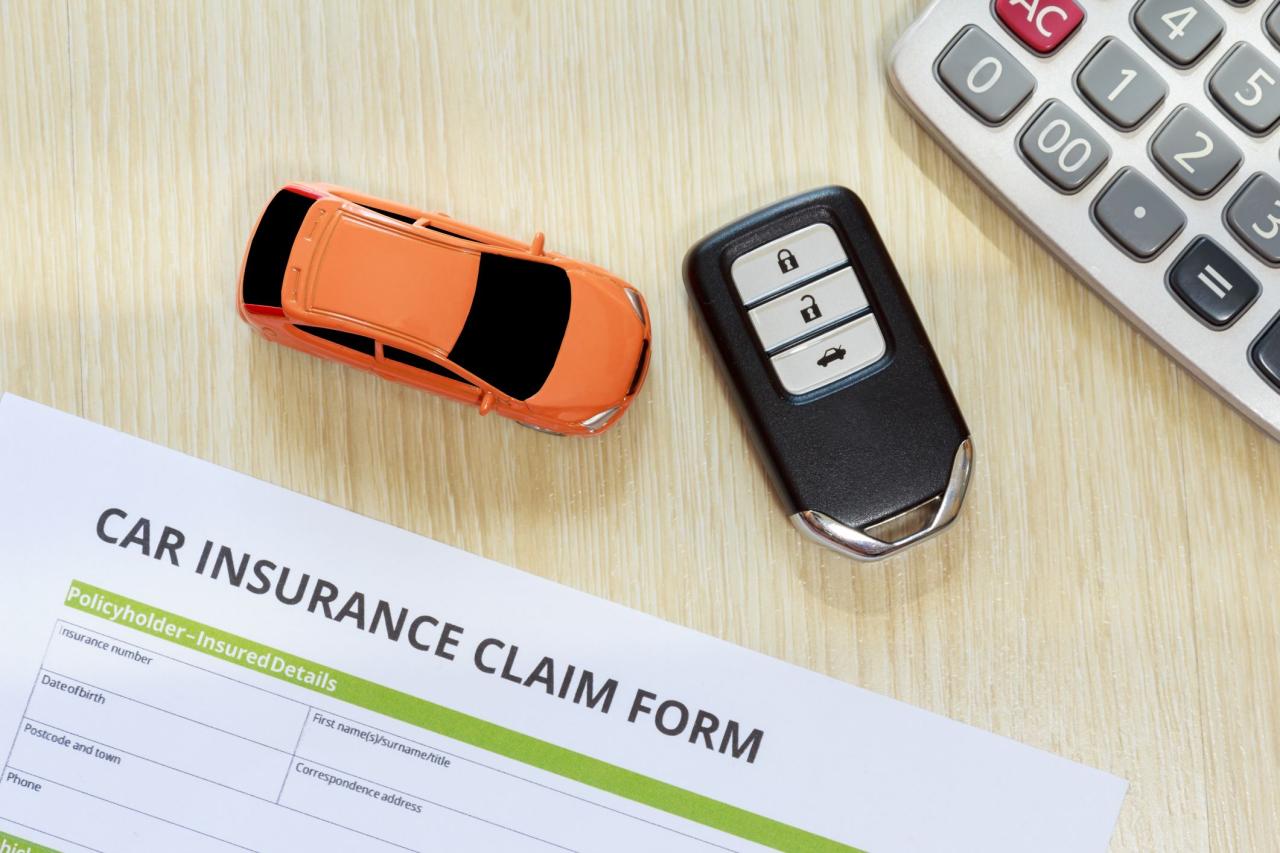
You’ve learned how to navigate the claims process, but the best approach is to avoid having to file a claim in the first place. By taking proactive steps to prevent accidents and stay informed about your insurance policy, you can minimize your risk and potentially save money on premiums in the long run.
Defensive Driving Techniques
Defensive driving involves anticipating potential hazards and taking steps to avoid them. This approach can significantly reduce your risk of accidents and insurance claims. Here are some key strategies:
- Maintain a safe following distance:This allows you to react to sudden stops or unexpected events without causing a collision. A good rule of thumb is to maintain a distance of at least three seconds behind the vehicle in front of you.
- Be aware of your surroundings:Pay attention to traffic signals, road signs, and other vehicles around you. This includes checking your mirrors regularly and scanning the road ahead for potential hazards.
- Avoid distractions:Distracted driving is a major cause of accidents. Avoid using your phone, eating, or applying makeup while driving. Passengers should also be mindful of their behavior and avoid distracting the driver.
- Drive defensively in adverse weather conditions:Reduce your speed and increase your following distance when driving in rain, snow, or fog. Be especially cautious during periods of low visibility and be prepared for slippery roads.
- Avoid aggressive driving:Tailgating, speeding, and weaving in and out of traffic can increase your risk of an accident. Practice patience and maintain a calm demeanor while driving.
Responsible Vehicle Maintenance
Regular vehicle maintenance is essential for ensuring your car is safe and reliable. This includes:
- Regular oil changes:This ensures proper lubrication for the engine, preventing wear and tear and potential breakdowns.
- Tire maintenance:Proper tire inflation and tread depth are crucial for maintaining control and preventing accidents. Regularly check tire pressure and replace tires when necessary.
- Brake inspections:Worn-out brakes can lead to accidents. Have your brakes inspected regularly and replaced when necessary.
- Regular inspections:Schedule regular maintenance inspections to identify and address any potential issues before they become serious problems.
Choosing the Right Insurance Policy
Your insurance policy should be tailored to your specific needs and driving habits. Consider the following factors when choosing a policy:
- Coverage options:Choose a policy that provides adequate coverage for your vehicle and financial situation. Consider factors like liability limits, collision coverage, and comprehensive coverage.
- Deductibles:A higher deductible will typically result in lower premiums. Choose a deductible you can comfortably afford in the event of a claim.
- Discounts:Many insurance companies offer discounts for good driving records, safety features, and other factors. Take advantage of these discounts to lower your premiums.
- Review your policy regularly:Your needs and driving habits may change over time. Review your policy periodically to ensure it still meets your requirements.
Outcome Summary
Filing a car insurance claim can be a stressful experience, but by following the steps Artikeld in this guide, you can navigate the process with confidence and ensure a fair outcome. Remember to gather all necessary documentation, communicate effectively with your insurance company, and seek legal assistance if needed.
By understanding your rights and responsibilities, you can protect your interests and secure the compensation you deserve.
Essential FAQs
What if I don’t have all the necessary documentation?
Contact your insurance company as soon as possible and explain the situation. They may be able to provide guidance or grant an extension for submitting missing documents.
How long does it take to process a car insurance claim?
The processing time for a car insurance claim can vary depending on the complexity of the claim, the availability of information, and the insurance company’s procedures. It can take anywhere from a few weeks to several months.
Can I choose my own repair shop?
In most cases, you can choose your own repair shop, but your insurance company may have a preferred network of repair shops. It’s important to check your policy for specific guidelines.
What if I disagree with the insurance company’s settlement offer?
You have the right to negotiate with your insurance company and try to reach a mutually agreeable settlement. If you are unable to reach an agreement, you can consider seeking legal advice.